
Best Deer Feeders for Small Properties
Disclosure: This post contains affiliate links. As an Amazon Associate, I earn from qualifying purchases. That means a purchase made through a link on this page may earn this site a commission at no extra cost to you. No prices are printed in this guide, because retailer prices change frequently; use the Check Price button on each product to see the current listing.
Contents
- Quick Answer
- At-a-Glance Comparison
- How to Choose a Feeder for a Small Property
- 1. Moultrie 30 lb Hanging Feeder
- 2. Wildgame Treehugger 100
- 3. Moultrie 40 lb Hanging Feeder
- 4. Moultrie 40 lb Directional Hanging Feeder
- 5. Boss Buck 200 Gravity Feeder
- 6. Wildgame Quick-Set 225
- 7. Moultrie 250 Gravity Feeder
- What a Small-Property Feeder Really Costs
- Placement, Neighbors, Rules, and Varmints
- Frequently Asked Questions
- Verdict
Quick Answer: Best Deer Feeder for Small Properties
For most small properties, backyards, and compact plots, the best deer feeder is the Moultrie 30 lb All-in-One Hanging Feeder. It holds 30 lb of feed, hangs from a branch or other sturdy support, collapses for transport and storage, and runs on AA batteries with a digital timer offering up to four feed times a day. It is the smallest-capacity timed feeder in this guide, it leaves almost no ground footprint, and it can be taken down, moved, or stored between seasons without digging a post hole or pouring a pad. That combination is exactly what a small property rewards: a feeder you can place precisely, refill with one bag, and remove if a neighbor, a local rule, or a varmint problem changes the plan.
A small property changes every feeder decision. On a large ranch, a 600 lb hopper is a convenience. On five acres, a half-acre backyard, or a narrow wooded lot, the same hopper is a commitment: it needs vehicle access for filling, a level tripod footprint, a safe fill height, and a long stretch of feed sitting in the hopper while deer, raccoons, squirrels, hogs, and weather all work on it. A small feeder reverses those pressures. A 30 lb or 40 lb hanging feeder can be carried in by hand, filled from a single bag, and hung where deer already travel. A 100 lb tree-strapped gravity bag needs no battery, no motor, and no timer at all. A 200 lb or 250 lb gravity tripod is the upper end of this guide, and it is included only for small properties that have one solid corner for a tripod and a genuine reason to hold more feed between visits.
The honest trade-off is refill frequency. Small capacity means more visits, and more visits mean more scent, more disturbance, and more chances to notice a problem early. That is a fair exchange on a property you already walk regularly, and a poor exchange on a property you visit once a month. This guide ranks feeders by how well they fit the constraints of a small site, not by raw capacity, and it says plainly where each pick stops making sense. If you want the broadest comparison first, start with Best Deer Feeders, and if you want the full hanging-feeder comparison, see Best Hanging Deer Feeders. For gravity-only detail, see Best Gravity Deer Feeders.
One rule governs this whole article, and it comes before any product. Baiting and feeding rules vary by state, and in some places by county or disease-management zone, and they change. This guide does not declare any feeder legal in any state. Where a state matters to you, read the site’s state guide first: Texas, Georgia, Mississippi, Alabama, and Ontario each have their own article linked in the rules section below. Check the current rule for your exact location before you buy, hang, or fill anything. A feeder that is perfect for your lot and unlawful in your zone is not a bargain.
At-a-Glance Comparison: Small-Property Deer Feeders
| Product | Best for | Capacity / key spec | Type | Photo |
|---|---|---|---|---|
| Moultrie 30 lb Hanging | Smallest timed setup; backyards and trial sites | 30 lb; up to 4 feed times a day, 1 to 20 seconds each | Hanging spin | |
| Wildgame Treehugger 100 | No-power gravity feeding on a single tree | 100 lb; PVC gravity bag, tree-strapped | Tree gravity | 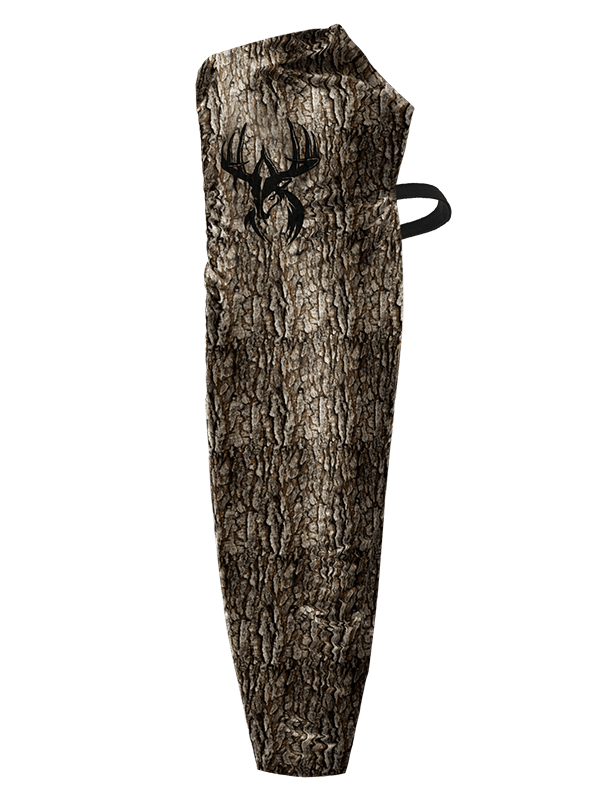 |
| Moultrie 40 lb Hanging | Step up from 30 lb without a tripod | 40 lb metal hopper; up to 4 feed times a day, 1 to 20 seconds each | Hanging spin | |
| Moultrie 40 lb Directional Hanging | Aiming feed away from a fence or neighbor | 40 lb metal hopper; directional spread; up to 4 feed times a day | Hanging directional spin | |
| Boss Buck 200 Gravity | Smallest Boss Buck gravity tripod; corn or pellets | 200 lb corn, about 170 lb pellets; 75-inch legs; three ports | Tripod gravity | 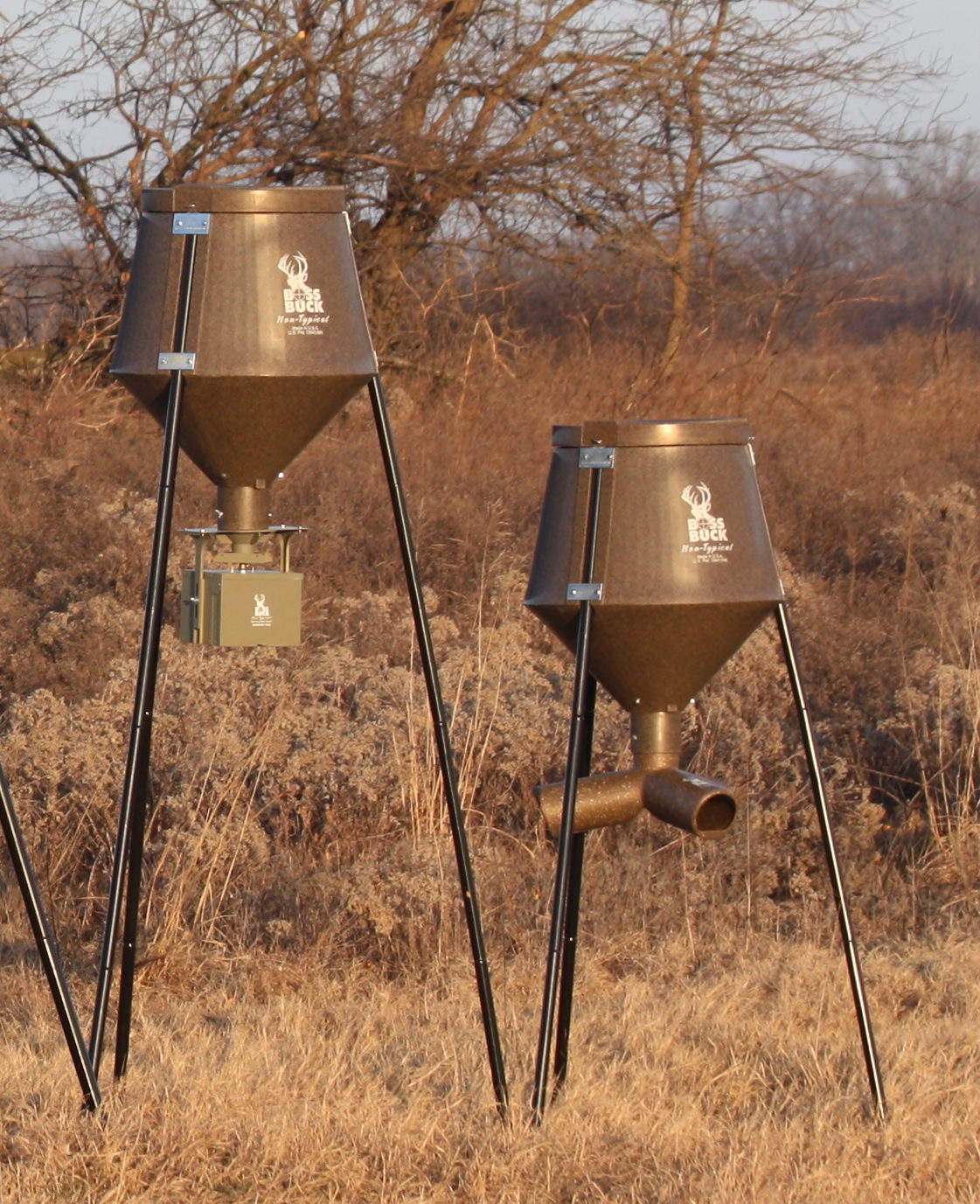 |
| Wildgame Quick-Set 225 | Timed tripod feeding with a simple timer | 225 lb; 1 to 4 feed times a day; 30-foot feed radius | Tripod spin | 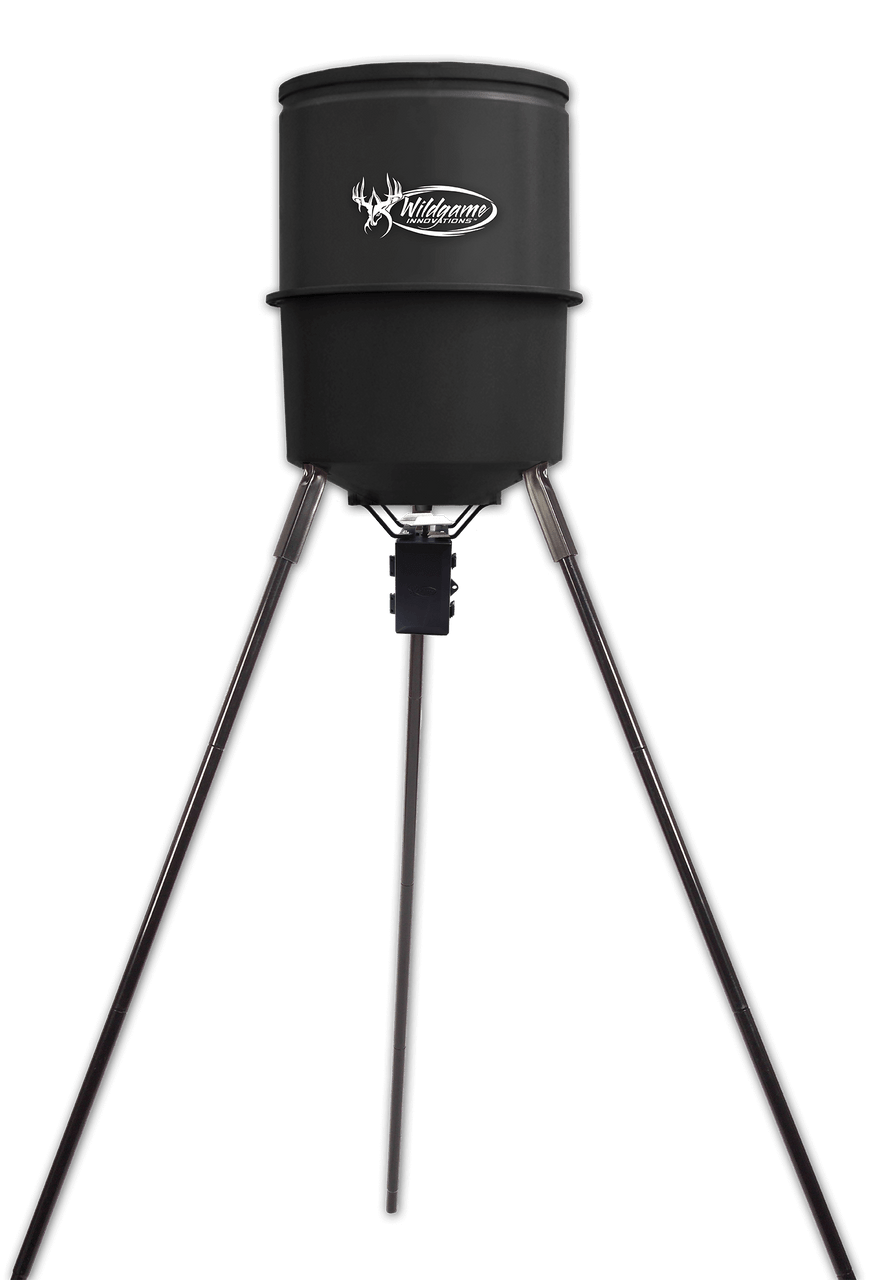 |
| Moultrie 250 Gravity | Largest pick here; convertible later to a spin kit | 250 lb; 6-foot fill height; Quick-Lock compatible | Tripod gravity | 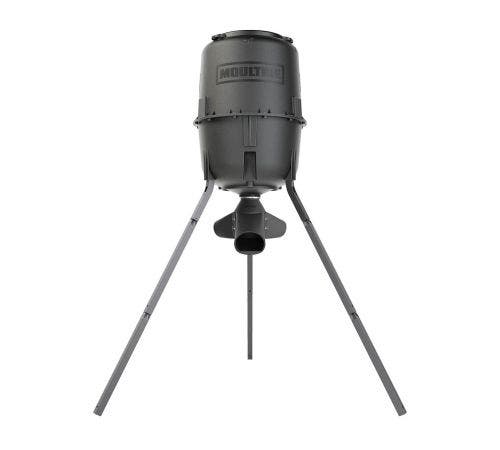 |
Rows left blank in the Photo column have no verified photo for that exact model in the site media library, and no manufacturer image URL was verified for this build. Those rows are left blank on purpose. A photo of a different model is never a substitute, and a guessed image address is never printed. Only verified photos of the exact model are used. The comparison still works without them, because the decision on a small property turns on capacity, mount, spread pattern, and power, all of which are stated in the table.
Read the table from the left, not from the top. Start with the mount your property actually allows. If you have one strong branch or a sturdy support and no room for legs, your shortlist is the hanging feeders and the Treehugger. If you have one level corner and want gravity feeding with no electronics, your shortlist is the Boss Buck 200 and the Moultrie 250. If you want timed feeding and you have room for a tripod, the Quick-Set 225 enters the conversation, but its 30-foot feed radius needs the neighbor discussion in the placement section before you buy it. Capacity is the last filter, not the first, because on a small property the wrong mount at the right capacity is still the wrong feeder.
How to Choose a Feeder for a Small Property
Start with space, not capacity
Measure the site before you shop. A tripod needs three feet on firm, level ground, plus working room around it for filling and for deer to approach without crowding a fence. A hanging feeder needs one support that can hold the full weight of the feeder plus its feed, plus clearance below it for the spin plate and for deer to feed without standing in a fence line. A tree-strapped gravity bag needs one suitable tree with a trunk the strap can grip and a spot where spilled feed will not wash into a neighbor’s garden, a driveway, or a watercourse. Walk the site with a tape, a level eye, and a honest look at where deer already travel. The feeder that fits the ground you have will be used; the feeder that needs ground you do not have will be moved, leaned, or abandoned.
Think about removal as well as installation. Small properties change hands, change neighbors, and change rules. A hanging feeder and a tree bag can be taken down in minutes and leave almost nothing behind. A tripod can be folded and moved, though a full tripod is not a one-person carry. A post-mounted feeder is the hardest to reverse, which is one reason this guide contains no post-mounted pick: on a small property, reversibility is a feature, not a footnote. If you are tempted by a do-it-yourself build instead, read PVC Deer Feeder: How to Build a Gravity Tube Feeder as the site’s DIY option; this guide does not rewrite that build, it simply points you to it where a tube feeder fits your site better than a bought feeder.
Match capacity to how often you actually visit
Capacity is a refill interval, not a quality score. A 30 lb feeder on a property you visit twice a week is a low-effort feeder: one bag, one short visit, fresh feed, and a quick check of the hanger, the lid, and the ground below. The same 30 lb feeder on a property you visit monthly is a feeder that will sit empty for weeks, which trains deer to stop checking it. A 250 lb feeder reverses the problem: it suits a monthly visit, but on a property you visit weekly it holds feed long enough for moisture, heat, and insects to degrade the lower layers, especially in a humid summer. Freshness is a real limit on useful capacity, and it bites hardest in warm, wet climates.
Do the refill math with your own numbers, not with a borrowed consumption rate. Take the listed capacity, divide it by what your site actually draws per day, and you get your interval. The catch is that daily draw on a gravity feeder is not fixed by the manufacturer, because gravity feeders are available continuously and deer, raccoons, and hogs all draw from the same hopper. On a timed spin feeder the draw is capped by the schedule: feed times per day multiplied by seconds per run, at whatever throw the plate gives. That is why a small timed feeder can be the most predictable feeder on a small property. You control the schedule, so you control the draw, and you can shorten the schedule when varmints arrive instead of watching a gravity hopper empty itself overnight. For the general math behind this, see Deer Feeder Corn: 14 Powerful Checks for Smart Refills and Protein Deer Feeder Capacity.
Control the spread, or the spread will control the site
On a large property, a 360-degree broadcast pattern is a virtue: it covers ground and draws deer from every direction. On a small property, the same pattern can throw feed toward a fence, a driveway, a garden bed, or a neighbor’s lawn. That is not a minor detail. Feed on a neighbor’s side of the line creates complaints, attracts varmints to the boundary, and can put you on the wrong side of a local rule even where feeding itself is allowed. The directional hanging feeder in this guide exists for exactly this problem: it throws feed in one direction, so you can aim the pattern into your own plot and away from the line. A gravity feeder avoids the throw problem entirely, because deer eat at the ports and feed does not broadcast across the lot, but it trades that control for continuous availability and no schedule.
Height and distance matter here too. A feeder hung too low puts feed within easy reach of raccoons and lets deer feed with their heads down in a spot where they feel exposed. A feeder set too high forces a difficult fill and a dangerous ladder job on a small lot with no vehicle access. Read How High Should a Deer Feeder Be Off the Ground? and How Far Should a Deer Feeder Be From a Deer Stand? before you fix a height or a distance, and read Where to Place a Deer Feeder for Best Results for the full siting logic. The placement section later in this article applies those principles to fences, neighbors, and small lots specifically.
Plan for varmints before they find the feeder
Near houses, varmint pressure is not a possibility, it is a schedule. Raccoons live in suburbs and small towns, squirrels work every tree line, and hogs, where present, will test any feeder they can reach. A hanging feeder is harder for ground animals to reach than a low gravity port, but a raccoon that can climb the support tree can still reach it. A gravity feeder is open by design, because deer must reach feed without a motor, and that openness is an invitation to any animal that can reach the ports. A spin feeder with a timer at least limits feeding to scheduled windows, which limits the hours when fresh feed is on the ground. None of these designs is varmint-proof, and this guide never calls any of them varmint-proof. For the full defense playbook, see Best Deer Feeder Varmint Guard, How to Keep Squirrels Out of a Deer Feeder, and How to Keep Raccoons and Hogs Off a Deer Feeder.
The cheapest varmint control on a small property is placement and schedule discipline. Hang the feeder where the support is hard to climb from a roof, a fence, or a low branch. Keep the ground below it clean, because spilled feed is a varmint buffet that teaches animals to return even when the feeder is empty. Run the shortest schedule that still patterns deer, and shorten it further at the first sign of raccoon or hog activity rather than filling more often to compensate. On a gravity feeder, narrow the flow if the design allows it, and check the ports on every visit for caked feed, blocked drain holes, and signs of chewing. A small property gives you one advantage here that a remote property does not: you are there often enough to notice the first night of trouble, if you look.
1. Moultrie 30 lb All-in-One Hanging Feeder — Best Overall for Small Properties
The Moultrie 30 lb All-in-One Hanging Feeder, model MFG-15100, is the most small-property-friendly timed feeder in this guide because it removes every part of a feeder that a small lot does not want. There are no legs to place, no post to dig, and no large hopper to fill from a vehicle. The hopper is a collapsible 5-gallon plastic bucket that holds up to 30 lb of feed and packs down for transport or storage. The integrated timer is a digital unit offering up to four feed times a day, each lasting from 1 to 20 seconds, with 360-degree broadcast coverage from the spin plate. Power comes from four AA batteries for standard use, or eight for extended runtime, with a removable battery tray. Bluetooth control through the free Moultrie app is included, with no subscription required for that control, and the feeder can pair with an EDGE 3 Series camera for remote adjustments. The whole unit weighs 5.49 lb empty, which is a number that matters on a small property: one person can carry it, hang it, fill it, and take it down without help.
Why this feeder wins the top spot is not its capacity but its reversibility and control. A 30 lb hopper is one bag of feed. That means a refill is a five-minute job, not a project, and it means feed stays fresh because it turns over quickly. The timer means draw is scheduled, not continuous, so a small lot does not become an all-night feeding station. The collapsible bucket means the feeder can live in a shed between seasons instead of occupying a corner of the lot all year. And the hanging mount means the ground footprint is zero: the feeder occupies air above a spot deer already use, not a tripod circle in the middle of a small plot. For a backyard, a narrow wooded lot, a trial site on a new property, or a honey hole that you want to test before committing to a larger feeder, this is the lowest-risk way to start.
The weaknesses are the direct price of that small size. Thirty pounds empties quickly on a site with heavy deer traffic, and it empties faster still if raccoons or squirrels learn the schedule. If you visit rarely, you will return to an empty feeder and deer that have moved on. The 360-degree pattern is also a weakness on a tight lot: it throws feed in every direction, including toward a fence if the feeder hangs near one. Hang it in the middle of your own ground, not on the boundary, and keep the run times short until you see where the feed actually lands. The plastic collapsible bucket is light and portable, but it is not a steel hopper, and it should not be treated as one: check the bucket, the hanger, and the spin plate on every visit, and replace a worn hanger before it fails, not after. Finally, the manual for this model is explicit that the support must hold the full weight of feed plus the unit, so the branch or support you choose is part of the product, not an afterthought.
Pros
- Smallest timed capacity in this guide at 30 lb, ideal for one-bag refills
- Collapsible bucket packs down for transport and off-season storage
- No legs, no post, and no ground footprint
- Up to four timed feeds a day, 1 to 20 seconds each, with Bluetooth app control
- AA battery power with a removable tray for quick swaps
Cons
- Empties quickly on high-traffic sites or under varmint pressure
- 360-degree pattern can throw feed toward a fence on a tight lot
- Light plastic bucket needs regular hanger and bucket checks
- Unsuitable as a sole feeder for a property visited only monthly
| Spec | Detail |
|---|---|
| Model | MFG-15100 |
| Capacity | 30 lb |
| Hopper | Collapsible 5-gallon plastic bucket |
| Feed coverage | 360 degrees |
| Timer | Up to 4 feed times a day, 1 to 20 seconds each |
| Power | 4 AA batteries, or 8 for extended runtime; removable tray |
| Control | Bluetooth via the free Moultrie app; EDGE 3 Series camera pairing for remote control |
| Empty weight | 5.49 lb |
| Mount | Hanging, from a sturdy branch or support rated for the full loaded weight |
2. Wildgame Treehugger 100 — Best No-Power Feeder for a Single Tree
The Wildgame Treehugger 100, model WGIFD0032, is the simplest feeder in this guide, and on a small property simplicity is a serious advantage. It is a gravity bag feeder that straps to a tree, holds up to 100 lb of corn, bran, protein, or a mix, and uses no battery, no motor, and no timer. Feed replenishes by gravity as deer eat, so there is nothing to program, nothing to fail electronically, and nothing to keep charged. The body is described as durable PVC material, and at only about 5 lb empty it is light enough to carry to a tree, strap on, and fill by hand. For a small property, the appeal is obvious: one tree, one strap, one bag at a time, and no electronics to maintain through a season.
The Treehugger fits a specific small-property job better than any timed feeder can. It is a trial feeder: strap it to a tree where deer already travel, see whether the site draws deer, and learn the traffic pattern before you commit to a tripod, a post, or a larger hopper. It is also a quiet feeder, because gravity feeding makes no motor noise and throws no feed, which matters near houses where a spin plate at dawn can become a neighbor issue. And it is a low-cost way to add a second station: a main timed feeder in the best spot, plus a Treehugger on a secondary trail, without doubling the electronics, batteries, and maintenance. Where the property is small enough that you walk past the tree regularly, the 100 lb capacity is a sensible middle ground: large enough that you are not refilling every few days, small enough that feed turns over before it degrades.
The weaknesses follow directly from the design. Gravity feeding is continuous, so consumption is not capped by a schedule, and any animal that can reach the bag can eat from it at any hour. That includes raccoons and squirrels where they are present, and it means the 100 lb capacity can disappear faster than a timed schedule would allow. The bag hangs on a tree, so the tree itself is part of the feeder: a weak strap, a smooth trunk, or a tree that sways in wind all affect the setup, and the strap and tree should be inspected before each season and after storms. Feed at the bottom of a gravity bag is also exposed to moisture and insects in a way that a lidded hopper resists better, so the Treehugger rewards frequent checks and dry feed. Finally, 100 lb is still a substantial weight on a single strap: fill it in stages, check that the strap is seated and tight, and never assume a strap that held last year holds this year without a look.
Pros
- No battery, motor, or timer to maintain or fail
- 100 lb capacity in a bag that weighs about 5 lb empty
- Straps to a single tree with no legs and no ground footprint
- Quiet gravity feeding with no broadcast throw toward a fence
- Good trial feeder for testing a site before a larger commitment
Cons
- Continuous availability means consumption is not schedule-capped
- Open gravity design is accessible to raccoons and squirrels that reach it
- Strap and tree condition must be inspected regularly
- Feed at the dispensing end is more exposed to moisture and insects than in a lidded hopper
| Spec | Detail |
|---|---|
| Model | WGIFD0032 |
| Capacity | Up to 100 lb |
| Type | Gravity bag feeder, tree-strapped |
| Material | PVC, as described in retailer listings |
| Empty weight | About 5 lb |
| Power | None; gravity-fed |
| Feed | Corn, bran, protein, or mix, as listed |
3. Moultrie 40 lb All-in-One Hanging Feeder — Best Step Up Without a Tripod
The Moultrie 40 lb All-in-One Hanging Feeder, model MFG-15101, is the direct step up from the 30 lb pick, and the step is worth understanding before you take it. The capacity rises from 30 lb to 40 lb, which is a one-third increase in feed per fill, and the hopper changes from a collapsible plastic bucket to a metal hopper with a lid. The timer remains the same family: a digital timer offering up to four daily feed times, adjustable from 1 to 20 seconds each, with 360-degree feed coverage and Bluetooth control through the free Moultrie app. Power is AA batteries, and the manual for this model warns in the same terms as the 30 lb model: hang it only from a strong, stable support capable of holding the feeder’s weight plus 40 lb of feed, and do not overfill beyond that capacity. A pulley system or a sturdy ladder is suggested in the manual for hanging and refilling, especially when the feeder is full, which is practical advice on a small lot where a ladder job over uneven ground is easy to rush.
The metal hopper is the real reason to choose this feeder over the 30 lb model. Metal resists chewing and weather differently from a collapsible plastic bucket, and it gives the feeder a more permanent feel without giving up the hanging mount. Forty pounds is still a hand-carried fill, still a single-bag job in practice, and still a capacity that turns over quickly enough to keep feed fresh on a property you visit weekly. For a small property where the feeder will stay up all season, where squirrels work the trees, or where you simply want a sturdier hopper than a collapsible bucket, the 40 lb hanging feeder is the sensible middle step. It keeps every small-property advantage of the 30 lb model — no legs, no post, no ground footprint, scheduled feeding — and adds durability and a longer interval between refills.
The weaknesses are familiar, and they should not be minimized. Forty pounds is still a small hopper, and on a high-traffic site it will still empty quickly. The 360-degree pattern still throws feed in every direction, so the same fence-line caution applies: hang it in your own ground, not on the boundary, and start with short run times. The metal hopper is heavier and less packable than the collapsible bucket, so the off-season storage advantage of the 30 lb model is reduced. And the support requirement is stricter, not looser, because the loaded weight is higher: a branch that held a 30 lb feeder comfortably may not be the right branch for a 40 lb feeder, and the manual’s warning about a strong, stable support should be taken literally. Check the hanger, the wire or handle, and the support on every visit, and do not let a feeder that has survived one season become a feeder you stop inspecting.
Pros
- 40 lb metal hopper is sturdier than a collapsible plastic bucket
- Still a hand-carried, single-bag refill with no legs or post
- Up to four timed feeds a day, 1 to 20 seconds each, with Bluetooth control
- 360-degree coverage for a site with room in every direction
- Longer interval between refills than the 30 lb model
Cons
- Still empties quickly on high-traffic or varmint-heavy sites
- 360-degree pattern can throw feed toward a fence on a tight lot
- Heavier and less packable than the collapsible 30 lb bucket
- Needs a stronger support than the 30 lb model; the loaded weight must be respected
| Spec | Detail |
|---|---|
| Model | MFG-15101 |
| Capacity | 40 lb |
| Hopper | Metal hopper with lid, as described in the manual |
| Feed coverage | 360 degrees |
| Timer | Up to 4 feed times a day, 1 to 20 seconds each |
| Power | AA batteries |
| Control | Bluetooth via the free Moultrie app |
| Mount | Hanging, from a strong, stable support rated for the feeder plus 40 lb of feed |
4. Moultrie 40 lb Directional Hanging Feeder — Best for Aiming Feed Away from a Fence
The Moultrie 40 lb Directional Hanging Feeder is the most important feeder in this guide for a specific small-property problem, and it deserves a clear explanation. Most spin feeders broadcast in a full circle. This feeder spreads feed in one direction instead. That single difference changes what a small lot can do with a timed feeder. If your best deer trail runs along the back of your plot, if your stand or blind looks into a narrow lane, or if a fence, a garden, or a neighbor’s lawn sits on one side of your feeder site, a directional feeder lets you aim the pattern into your own ground and away from the problem side. The capacity is 40 lb in a metal hopper with a lid, the timer offers up to four feed times a day through the free Moultrie app with Bluetooth control, and the feeder can pair with an EDGE trail camera. Power is AA batteries, as on the other Moultrie hanging feeders in this guide.
The directional design also changes how deer pattern. A 360-degree feeder creates a circle of feed that deer can approach from any direction, which is good on open ground and wasteful on a narrow lot. A directional feeder creates a line or a lane of feed, which can draw deer along a trail, into a shooting lane, or toward a stand in a way that a circle cannot. On a small property, where the difference between a good site and a bad site is often a matter of ten yards and one fence line, that control is worth more than extra capacity. It is also the feeder in this guide that best answers the neighbor question honestly: instead of asking a neighbor to tolerate feed thrown toward their side of the line, you can show, and prove by where the feed lands, that the pattern stays on your ground.
The weaknesses are the trade-offs of direction itself. A directional pattern covers less ground than a 360-degree pattern, so deer approaching from the wrong side may find little or no feed, and the feeder must be hung and aimed deliberately, not just hung anywhere. Aim it once, then check where feed actually lands after the first few runs, because the aim you set from a ladder is not always the aim the spin plate delivers. The 40 lb capacity carries the same refill-frequency caution as the other 40 lb feeder: it is a weekly-visit feeder, not a monthly-visit feeder. And the directional advantage disappears if the feeder twists on its hanger in wind or after animal contact, so the hanger and the aim should be checked on every visit, not just at installation. A directional feeder that has rotated toward the fence is worse than a 360-degree feeder, because it now concentrates feed exactly where you did not want it.
Pros
- Directional spread aims feed into your own plot and away from a fence or neighbor
- Creates a feed lane toward a trail, lane, or stand instead of a circle
- 40 lb metal hopper with a lid, still a hand-carried refill
- Up to four timed feeds a day with Bluetooth app control
- Pairs with an EDGE trail camera for remote adjustments
Cons
- Covers less ground than a 360-degree feeder, so aim matters
- Must be re-checked after wind or animal contact, or it can rotate toward the fence
- 40 lb capacity still needs regular visits on a busy site
- Less forgiving of a poorly chosen hang point than a broadcast feeder
| Spec | Detail |
|---|---|
| Capacity | 40 lb |
| Hopper | Metal hopper with lid |
| Feed coverage | Directional, in one direction rather than a full circle |
| Timer | Up to 4 feed times a day |
| Power | AA batteries |
| Control | Bluetooth via the free Moultrie app; EDGE camera pairing described in retailer listings |
| Mount | Hanging, from a support rated for the feeder plus 40 lb of feed |
5. Boss Buck 200 Gravity Feeder — Best Gravity Tripod for a Small Property
The Boss Buck 200 is the smallest hopper in the Boss Buck gravity family, and that fact needs to be stated plainly because it is easy to misread. Boss Buck’s gravity hopper family is 200, 350, 600, and 1200 lb only. There is no 250 lb or 500 lb Boss Buck feeder, and this guide never claims otherwise. The 200 is therefore the entry point to a serious gravity system, not a small feeder in the same sense as a 30 lb hanging bucket. It holds up to 200 lb of corn and approximately 170 lb of pellets, it stands on 75-inch galvanized legs, and it presents feed through three ports. Each port is listed at 10 inches long with a 10-degree angle, a 1-inch overhang to limit spillage, and a drain hole to expel water that enters the port tip. The hopper is tough roto-molded plastic with galvanized hardware, and the double-walled hatch lid is designed to let the hopper breathe and reduce condensation. The adjustable three-way inner sleeve lets you control flow for different feed shapes and sizes, and the ports sit 34 inches from the ground.
For a small property, the Boss Buck 200 earns its place as the gravity pick for a site that has one solid corner and a reason to hold more feed. A gravity feeder needs no battery, no motor, and no timer, so there is nothing to program and nothing to fail electronically through a season. Feed is available whenever deer visit, which is an advantage for patterning deer that visit at irregular hours, and the three-port head lets several deer feed at once without crowding a single tube. The 200 lb capacity is large enough to stretch the interval between refills well beyond a hanging feeder, which matters if your small property is a drive away rather than a walk from the house. And the gravity head can convert to an automatic system later, which means a buyer who starts with gravity feeding is not locked into gravity feeding forever.
The weaknesses are size, weight, and continuous availability, and all three bite harder on a small lot. Two hundred pounds of corn is four 50 lb bags at a fill, lifted to a hopper on 75-inch legs, on a tripod that needs level, firm ground. That is a vehicle-access job, not a hand-carry job, and a small property without a drive or a cart route to the feeder corner will feel that on every refill. The tripod footprint is also larger than any hanging feeder or tree bag in this guide, and the feeder cannot be hung from a tree to save ground. Continuous availability means deer, raccoons, and hogs all draw from the same ports at all hours, so the 200 lb capacity can empty faster than a scheduled feeder would, and the flow sleeve must be checked whenever feed type changes. Salt-based feed is also a specific warning for Boss Buck gravity models: retailer and manufacturer descriptions specify non-salt-based feed, and salt-based mineral supplements may damage the feeder, so feed choice is not just a preference here.
Pros
- Smallest Boss Buck gravity hopper at 200 lb corn, about 170 lb pellets
- No battery, motor, or timer to maintain
- Three ports with 10-degree angle, overhang, and drain holes for controlled feeding
- Adjustable three-way inner sleeve for different feed shapes
- Gravity head can convert to an automatic system later
Cons
- 200 lb fill is a vehicle-access job, not a hand carry
- Tripod needs level, firm ground and a larger footprint than a hanging feeder
- Continuous availability means varmints draw from the same ports at all hours
- Non-salt-based feed only; salt-based supplements may damage the feeder
- Pellet capacity is lower than corn capacity, so plan on the pellet figure for pellets
| Spec | Detail |
|---|---|
| Model | BB-1.200A.P |
| Capacity | Up to 200 lb corn; about 170 lb pellets |
| Legs | 75-inch galvanized legs |
| Ports | Three ports, 10 inches long, 10-degree angle, 1-inch overhang, drain holes; ports 34 inches from the ground |
| Flow control | Adjustable three-way inner sleeve |
| Hopper | Roto-molded plastic with galvanized hardware; double-walled hatch lid |
| Feed | Non-salt-based corn or protein pellets |
| Power | None; gravity-fed |
6. Wildgame Quick-Set 225 — Best Simple Timed Tripod, With a Neighbor Warning
The Wildgame Quick-Set 225, model W225D, is the simplest timed tripod in this guide, and its simplicity is both its strength and its warning. It holds 225 lb of corn or pellet feed in a poly barrel, it runs on a 6-volt battery, and its digital timer offers 1 to 4 feed times a day, each lasting 5, 10, 15, or 20 seconds. The feed radius is listed at 30 feet. Retailer descriptions describe about 15 minutes of setup, a built-in funnel, and a galvanized steel spinner plate, and the barrel is described as a 30-gallon poly barrel. For a small property, the Quick-Set 225 is the timed tripod for a buyer who wants a straightforward timer, a familiar tripod form, and a capacity that stretches refills well beyond a hanging feeder, without app control, Bluetooth pairing, or a camera ecosystem to learn.
The reason this feeder is ranked sixth, not higher, is the 30-foot feed radius. On a small property, a 30-foot radius is not a feature to celebrate without thinking; it is a circle 60 feet across, and on a half-acre or one-acre lot that circle can easily cross a fence. That does not disqualify the feeder, but it does change how it must be used. Short run times are the control: a 5-second run throws far less feed, and less far, than a 20-second run, and the schedule should start short and stay short until you have watched where feed actually lands. The tripod also needs the same level, firm ground as any tripod, and the 225 lb fill is a multi-bag job with vehicle or cart access. The 6-volt battery is a separate item to maintain, unlike the AA-powered hanging feeders, and it must be checked before the season, not discovered dead on the first cold morning.
The weaknesses beyond the radius are the ones shared by every basic timed tripod. There is no factory varmint cage on this model, unlike the Quick-Set Pro 270, which is not ranked here because it is a larger, more varmint-guarded tripod for a different job. There is no app control, so schedule changes mean a visit to the feeder, which is fine on a property you visit weekly and a drawback on a property you visit rarely. And the poly barrel, while durable and weather-resistant as described, is not a steel hopper, so the lid, the funnel, and the spinner plate should be inspected on every visit. If your lot is too small to contain a 30-foot radius comfortably, do not buy this feeder and hope the radius will shrink. Buy the directional hanging feeder instead, or buy a gravity feeder with no throw at all. A feeder that fits your ground is always better than a feeder that fits your budget and crosses your fence.
Pros
- Simple digital timer with 1 to 4 feed times a day
- 225 lb poly barrel stretches the interval between refills
- Accepts corn or protein pellets
- Straightforward tripod setup with a built-in funnel and galvanized spinner plate
- No app or camera system to learn
Cons
- 30-foot feed radius can cross a fence on a small lot; short run times are essential
- No factory varmint cage on this model
- 6-volt battery must be maintained separately
- Tripod needs level, firm ground and vehicle or cart access for a 225 lb fill
- No remote schedule changes; adjustments require a visit
| Spec | Detail |
|---|---|
| Model | W225D |
| Capacity | 225 lb |
| Barrel | 30-gallon poly barrel, as described in retailer listings |
| Timer | 1 to 4 feed times a day, 5, 10, 15, or 20 seconds each |
| Feed radius | 30 feet, as listed |
| Power | 6-volt battery |
| Spinner | Galvanized steel spinner plate with built-in funnel |
| Mount | Tripod |
7. Moultrie 250 Gravity Feeder — Largest Pick Here, for One Solid Corner
The Moultrie 250 Gravity Feeder, model MFG-15107, is the largest feeder in this guide, and it is included with a deliberate limit: it belongs on a small property only if that property has one solid corner for a tripod and a genuine reason to hold 250 lb of feed between visits. The manufacturer lists a 250 lb capacity, a 6-foot fill height, six steel leg sections, Quick-Lock capability, gravity distribution, 360-degree feed coverage, and an operating temperature range of 14 degrees Fahrenheit to 140 degrees Fahrenheit, with a one-year warranty. Retailer descriptions add a triple funnel feed system with adjustable flow for corn, pellets, and mixed grains, and a twist-on lid for refills. There are no electronics and no batteries in gravity mode, which means there is nothing to program and nothing to fail electronically, and the Quick-Lock mount means a Moultrie spin kit can be fitted later if timed feeding becomes preferable.
The case for the 250 on a small property is the case for a single, well-placed station that does not need weekly attention. If your small property is a drive away, if you visit monthly, or if you want one feeder that can carry a site through a season with fewer refills, a 250 lb gravity hopper does that job better than any hanging feeder in this guide. The triple funnel system gives some control over flow for different feeds, which matters because corn, pellets, and mixed grains do not flow identically, and the 6-foot fill height is lower than some larger tripods, which makes filling safer than a taller hopper would. The convertible Quick-Lock design is also a genuine future-proofing advantage: you can start with the simplicity of gravity and add timed control later without replacing the hopper and legs.
The case against the 250 on a small property is equally clear, and it should decide the purchase. A 250 lb fill is five 50 lb bags, lifted to a 6-foot fill height, on a tripod that needs level, firm ground and a wide, stable footprint. That is the largest ground commitment in this guide, and it is the opposite of the hanging feeders’ zero-footprint advantage. Gravity feeding is continuous, so the 250 lb capacity can draw deer, raccoons, hogs, and squirrels at all hours, and feed can sit long enough in a humid climate to degrade if use is low. The 360-degree coverage is a gravity coverage figure, not a broadcast throw, but deer will still approach from every direction, which can crowd a small corner. If your property cannot give this feeder a level corner, vehicle or cart access for five bags, and regular checks of the legs, the funnel settings, and the lid, buy a smaller feeder. The 250 is the best large small-property feeder in this guide, and it is still too large for many small properties. That is not a contradiction; it is the point of ranking by fit rather than by capacity.
Pros
- 250 lb capacity stretches the interval between refills the furthest in this guide
- No battery, motor, or timer in gravity mode
- Triple funnel system with adjustable flow for different feeds
- Quick-Lock compatible for a later spin-kit conversion
- 6-foot fill height is lower than many larger tripods
Cons
- Largest footprint and heaviest fill in this guide: five 50 lb bags to a 6-foot height
- Tripod needs level, firm ground and a wide, stable corner
- Continuous gravity availability means varmints draw at all hours
- Feed can degrade if a large hopper sits too long in humid weather with low use
| Spec | Detail |
|---|---|
| Model | MFG-15107 |
| Capacity | 250 lb |
| Fill height | 6 feet, as listed by the manufacturer |
| Legs | 6 steel leg sections, as listed by the manufacturer |
| Distribution | Gravity; 360-degree feed coverage as listed |
| Feed system | Triple funnel, adjustable flow, as described in retailer listings |
| Quick-Lock | Yes, as listed by the manufacturer |
| Operating temperature | 14 degrees Fahrenheit to 140 degrees Fahrenheit, as listed |
| Warranty | 1 year, as listed |
| Power | None in gravity mode |
What a Small-Property Feeder Really Costs
The feeder itself is only the first cost, and on a small property the second costs are often the ones that decide whether a feeder stays up. A hanging feeder needs a support, and if the support is a branch, the cost is inspection and replacement, not purchase. A tripod needs level ground, and if the ground is soft, the cost is fill, boards, or a new site, not just the feeder. A gravity feeder needs feed in volume, and a 250 lb hopper needs five bags at a fill, which is a transport cost as well as a feed cost. Batteries are a recurring cost on timed feeders: AA batteries on the Moultrie hanging feeders, a 6-volt battery on the Quick-Set 225, and no battery at all on the gravity feeders. Those differences compound over a season, and they compound differently depending on how often you visit. A feeder you visit weekly can run on AA batteries you swap on a visit. A feeder you visit monthly needs a battery plan that survives the interval, or it needs to be a gravity feeder with no battery to die.
| Cost item | What it means on a small property | Notes |
|---|---|---|
| Feeder purchase | One-time cost; check the current listing price before ordering | No prices are printed in this guide because prices change frequently |
| Feed per fill | 30 lb is one bag; 40 lb is one bag; 100 lb is two bags; 200 lb is four bags; 225 lb is four to five bags; 250 lb is five bags | Use the pellet figure, not the corn figure, when planning pellets |
| Batteries | AA batteries on Moultrie hanging feeders; 6-volt battery on the Quick-Set 225; none on gravity feeders | Carry spares on a visit; check battery condition before the season |
| Support and site work | Hanging feeder: support inspection and replacement. Tripod: level, firm ground. Tree bag: strap inspection and tree health | Site work is often free in labor but not free in time, and it recurs |
| Transport | Hand carry for 30 lb and 40 lb feeders; vehicle or cart for 200 lb, 225 lb, and 250 lb fills | If you cannot get a vehicle or cart to the site, do not buy a large hopper |
| Varmint losses | Feed eaten by raccoons, squirrels, or hogs is feed bought twice | Schedule discipline and placement cut this cost more than any accessory |
| Feed spoilage | Feed that sits too long in heat and humidity degrades and must be discarded | Smaller, fresher fills beat larger, older fills on a low-use site |
The cheapest feeder on a small property is rarely the cheapest listing. It is the feeder whose refill interval matches your visit interval, whose power source matches your maintenance habit, and whose footprint matches your ground. A 30 lb hanging feeder that you refill weekly, with fresh feed and a quick inspection, will cost less over a season in spoiled feed, varmint losses, and wasted trips than a 250 lb feeder that you fill once, leave for two months, and return to find half the feed degraded and the rest eaten by animals you did not intend to feed. Conversely, a 250 lb feeder that you fill monthly, on a site with steady deer traffic and no hog problem, will cost less in trips and disturbance than a 30 lb feeder that you must refill every few days. Match the feeder to the visit, and the math takes care of itself. For the broader cost logic, see Best Deer Feeder for the Money and Cheap Deer Feed.
One more cost deserves a direct mention: the cost of getting it wrong. A feeder that crosses a fence, violates a local rule, or creates a varmint problem with a neighbor costs more than any feeder in this guide, because it costs goodwill, and in some cases it costs the right to feed at all. Spend the time on the rules section below before you spend money on a feeder. It is the cheapest insurance in this article.
Placement, Neighbors, Rules, and Varmints on a Small Property
Place for deer, neighbors, and access at the same time
A good small-property site satisfies three tests at once. Deer must be able to approach it with cover nearby and an exit route, because deer that feel exposed will not feed consistently. Neighbors must not receive feed, noise, or varmint traffic from it, because a feeder that creates a boundary problem will not survive long. And you must be able to reach it safely for filling and inspection, because a feeder you cannot reach safely is a feeder you will stop maintaining. If a site fails any one of those tests, it is not a good site, even if deer already travel through it. Move the feeder, change the feeder type, or do not feed that spot. The site guide Where to Place a Deer Feeder for Best Results covers the deer side in depth; this section covers the neighbor and access sides that small properties add.
Start with the throw or the ports, not with the view from your stand. For a broadcast feeder, walk the full radius and mark where feed would land. For a directional feeder, walk the aimed line and mark where feed would land. For a gravity feeder, walk the ground around the ports and mark where spilled feed would wash in rain. If any of those marks cross a fence, a driveway, a garden, or a watercourse, move the feeder or change the type. A directional feeder aimed into your own plot, a gravity feeder with no throw, or a hanging feeder hung in the middle of your ground rather than on the boundary will solve most small-lot problems before they start. Height matters here too: a feeder hung at the right height for deer, as described in How High Should a Deer Feeder Be Off the Ground?, is also a feeder that is less accessible to ground varmints and easier to fill safely than a feeder hung too high or too low.
Rules first: baiting and feeding vary by state, and this guide does not declare any feeder legal anywhere
Feeding and baiting rules vary by state, and in some places by county or disease-management zone, and they change over time. A feeder that is lawful for one purpose in one season may not be lawful for another purpose in another season, and a rule that applies to hunting over bait may differ from a rule that applies to supplemental feeding outside hunting season. This guide therefore does not state that any feeder in it is legal in Texas, Georgia, Mississippi, Alabama, Ontario, or any other jurisdiction. Instead, read the site’s state guide for your location before you buy, hang, or fill a feeder, and check the current official rule for your exact location, because state guides summarize rules at a point in time and official sources govern.
The state guides to read first are: Are Deer Feeders Legal in Texas? 2026 Rules Explained, Are Deer Feeders Legal in Georgia? 2026 Rules Explained, Are Deer Feeders Legal in Mississippi? 2026 Feeding and Baiting Rules, Are Deer Feeders Legal in Alabama? 2026 Bait License Rules, and Are Deer Feeders Legal in Ontario? Rules Explained. If your state is not listed here, do not assume the nearest state’s rule applies to you. Find your state’s official wildlife agency rule, check whether your property sits in a special zone, and check whether any local ordinance, homeowners association rule, or lease term adds a restriction on top of the state rule. On a small property, a homeowners association or a municipal ordinance can prohibit feeding even where the state allows it, and that local restriction is the one your neighbors will notice first.
Keep a simple record. Note the date you checked the rule, the source you checked, and the conclusion you reached for your property. If a neighbor, a warden, or a future buyer asks, that record is worth more than a memory. And if the rule changes, or if you move the feeder to a different county or zone, check again. A feeder is a long-term installation on a small property, and the rule that governed it on the day you bought it may not govern it on the day you fill it next season.
Varmint pressure near houses: expect it, plan for it, check for it
Near houses, raccoons, squirrels, and in some regions hogs are not occasional visitors. They are residents, and they will find a feeder quickly. A hanging feeder is harder for ground animals to reach than a low gravity port, but a raccoon that can climb the support tree, a fence, or a roof can still reach it. A gravity feeder is open by design, so any animal that can reach the ports can eat. A spin feeder limits feeding to scheduled windows, which limits the hours when fresh feed is on the ground, but it does not stop an animal that learns the schedule. No feeder in this guide is varmint-proof, and no accessory should be bought on a promise that it makes a feeder varmint-proof. The guides Best Deer Feeder Varmint Guard and How to Keep Raccoons and Hogs Off a Deer Feeder give the full defense options, including guards, placement, and schedule changes.
On a small property, the most effective varmint plan is a routine, not a product. Check the feeder on every visit. Look for tracks, droppings, chewed plastic, loosened straps, and feed on the ground that should not be there. Clean spilled feed, because spilled feed teaches varmints to return even when the feeder is empty. Shorten the schedule at the first sign of trouble, rather than filling more often to compensate, because filling more often feeds the varmints faster. Narrow the flow on a gravity feeder if the design allows it. And if hogs arrive, take the feeder down before they learn to push it over, because a hog that has learned to tip a feeder will tip the next feeder too. A small property gives you the advantage of frequent visits; use that advantage by looking, every time, instead of assuming the feeder is fine because it was fine last week.
The DIY option, and what not to duplicate
If a bought feeder does not fit your site, or if you want a tube feeder tailored to a narrow spot, the site’s DIY option is PVC Deer Feeder: How to Build a Gravity Tube Feeder. This guide does not rewrite that build, and it does not duplicate its steps, materials, or instructions. It simply points you to it, because a PVC gravity tube can fit a narrow tree line, a fence corner, or a trial site where a bought tripod or hanging feeder would be awkward. A DIY tube also carries the same rules, neighbor, and varmint cautions as any bought feeder: check the rule first, aim the feed onto your own ground, and expect varmints to test it. A DIY feeder is not exempt from any of those checks because you built it yourself.
Frequently Asked Questions
What is the best deer feeder for a small property?
For most small properties, the Moultrie 30 lb All-in-One Hanging Feeder is the best starting point, because it holds 30 lb, hangs from a sturdy support, collapses for storage, and runs on AA batteries with up to four timed feeds a day. It leaves no ground footprint and can be removed quickly if a rule, a neighbor, or a varmint problem changes the plan.
What size deer feeder do I need for a small backyard?
A 30 lb or 40 lb hanging feeder suits most backyards, because one bag fills it, one person can hang it, and feed turns over quickly enough to stay fresh. A 100 lb tree bag suits a backyard with a suitable tree and regular visits. A 200 lb or 250 lb tripod suits a small property only if it has a level corner and vehicle or cart access for multi-bag fills.
Are deer feeders legal on a small property?
That depends on your state, and in some places your county, disease-management zone, local ordinance, or homeowners association rule. Baiting and feeding rules vary and they change. Read the site’s state guide for your location, linked in the rules section above, and check the current official rule for your exact property before you buy, hang, or fill a feeder. This guide does not declare any feeder legal in any state.
Is it legal to feed deer in Texas, Georgia, Mississippi, Alabama, or Ontario?
Each of those jurisdictions has its own rules, and the rules differ between them. Read the site’s guide for your jurisdiction: Texas, Georgia, Mississippi, Alabama, and Ontario each have a dedicated article linked above. Do not apply one state’s rule to another state, and check the current official rule for your exact location, because rules change and special zones can add restrictions.
How often will I need to refill a small deer feeder?
Refill interval is capacity divided by daily draw, and daily draw depends on deer traffic, varmint pressure, and, on a timed feeder, the schedule you set. A 30 lb feeder on a busy site may need refilling weekly or more often. A 100 lb gravity bag lasts longer but draws continuously. A 200 lb or 250 lb hopper lasts longest but holds feed long enough to degrade if use is low. Match capacity to how often you actually visit, not to how often you wish you visited.
Should I choose a hanging feeder or a gravity feeder for a small lot?
Choose a hanging feeder if you have a strong support, want scheduled feeding, and want no ground footprint. Choose a gravity feeder if you want no battery, no motor, and no timer, and you accept continuous availability. A hanging feeder controls when feed appears; a gravity feeder controls nothing except flow at the ports. On a small lot with neighbors nearby, that control difference often matters more than capacity.
Will a spin feeder throw corn into my neighbor’s yard?
It can, if the feeder hangs near a fence and the pattern reaches across it. A 360-degree feeder throws in every direction, and the Quick-Set 225 lists a 30-foot feed radius. Hang broadcast feeders in the middle of your own ground, start with short run times, and watch where feed actually lands. If you cannot contain the pattern, choose a directional hanging feeder and aim it into your own plot, or choose a gravity feeder with no broadcast throw.
What is the smallest Boss Buck feeder?
The smallest Boss Buck gravity hopper is the 200 lb model. Boss Buck’s gravity hopper family is 200, 350, 600, and 1200 lb only. There is no 250 lb or 500 lb Boss Buck feeder, so a listing that claims one should be checked carefully against the model number before ordering.
How do I keep raccoons and squirrels off a small-property feeder?
No feeder in this guide is varmint-proof. Hang feeders where the support is hard to climb from a roof, fence, or low branch. Keep spilled feed cleaned up. Run the shortest schedule that still patterns deer, and shorten it at the first sign of raccoon or squirrel activity. Check straps, hangers, lids, and ports on every visit. For the full defense options, see the site’s varmint guard and raccoon and hog guides linked above.
Can I build my own small deer feeder instead of buying one?
Yes. The site’s DIY option is the PVC gravity tube feeder, linked above as the DIY option. This guide does not rewrite that build. A DIY feeder carries the same rules, neighbor, and varmint checks as a bought feeder, so check the rule for your location and aim feed onto your own ground before you build.
Do I need a battery or solar panel for a small deer feeder?
Not necessarily. Gravity feeders need no battery at all. Moultrie hanging feeders in this guide run on AA batteries. The Quick-Set 225 runs on a 6-volt battery. If you want solar, check the feeder’s power requirements and the site’s solar panel guide before buying a panel, because not every feeder accepts the same panel or voltage. For solar detail, see Deer Feeder Solar Panel.
What feeder should I buy if I visit my small property only once a month?
A larger gravity feeder, such as the Boss Buck 200 or the Moultrie 250, fits a monthly visit better than a 30 lb hanging feeder, because a small hopper will sit empty for weeks. The trade-off is feed freshness and varmint draw over a long interval, so check the hopper, ports, and ground on every visit, and do not fill a large hopper in a humid summer if use is low. If monthly visits are the reality, gravity feeding with no battery to die is the safer choice.
Verdict: Best Deer Feeders for Small Properties
Best overall: Moultrie 30 lb All-in-One Hanging Feeder. Smallest timed capacity, collapsible bucket, no ground footprint, and a schedule you control. Start here on most small properties.
Wildgame Treehugger 100: best no-power option for a single tree, and the best trial feeder before a larger commitment.
Moultrie 40 lb Hanging Feeder: best step up without a tripod, with a sturdier metal hopper and a longer interval between refills.
Moultrie 40 lb Directional Hanging Feeder: best for aiming feed away from a fence or neighbor, and for creating a feed lane toward a trail or stand.
Boss Buck 200 Gravity Feeder: best gravity tripod for a small property with one solid corner, and the smallest Boss Buck gravity hopper.
Wildgame Quick-Set 225: best simple timed tripod, provided your lot can contain its 30-foot feed radius with short run times.
Moultrie 250 Gravity Feeder: best large small-property feeder for a monthly visit, provided your property can give it a level corner and vehicle or cart access for five bags.
Legality reminder: baiting and feeding rules vary by state and by zone, and they change. Read the state guide for your location and check the current official rule for your exact property before you buy, hang, or fill any feeder in this guide.
Before you order, do three things in order. First, check the rule for your exact location, using the state guides linked above and the official source they point to. Second, walk your site and mark where feed would land for the feeder type you are considering, and move the site or change the type if that mark crosses a fence. Third, match the feeder to your visit interval, not to the largest capacity you can afford. A feeder that fits your ground, your schedule, and your rule will be used, maintained, and kept. A feeder that fits none of those will be moved, emptied, or taken down, and the money spent on it will not come back. For the broadest comparison, return to Best Deer Feeders, and for the hanging and gravity comparisons, see Best Hanging Deer Feeders and Best Gravity Deer Feeders. For timed-feeder detail, see Best Automatic Deer Feeders and Best Deer Feeder Timers.
Note on owner experiences: this build contains no paraphrased owner-experience paragraph, because no honestly sourced owner quotes were verified for this article. Design strengths and weaknesses are stated from manufacturer and retailer specifications and from the physical trade-offs of each mount, capacity, and spread pattern, not from invented testing or invented owner reports. The site owner researches; he does not claim hands-on testing in this guide.
Products mentioned in this guide
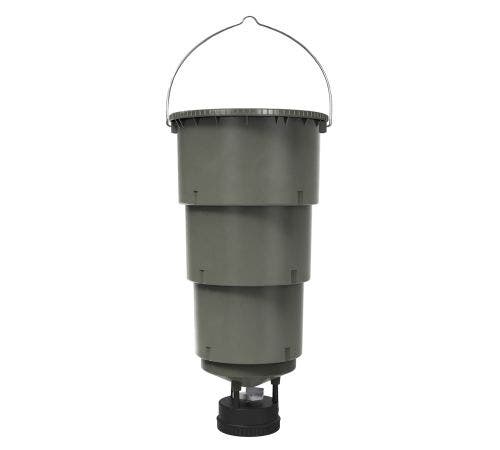
Moultrie 30 lb All-in-One Hanging Feeder
Check Price on Amazon →Confirm price and availability on AmazonWildgame Innovations Treehugger 100 lb Feeder
Check Price on Amazon →Confirm price and availability on Amazon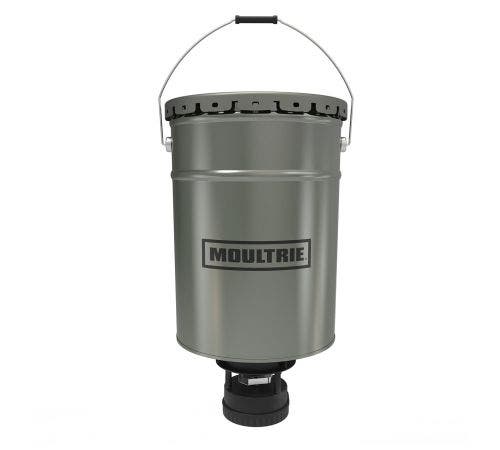
Moultrie 40 lb Hanging Feeder
Check Price on Amazon →Confirm price and availability on Amazon
Moultrie 40 lb Directional Hanging Feeder
Check Price on Amazon →Confirm price and availability on AmazonBoss Buck 200 lb All In Gravity Feeder
Check Price on Amazon →Confirm price and availability on AmazonWildgame Innovations Quick-Set 225 Feeder
Check Price on Amazon →Confirm price and availability on Amazon
Moultrie 250 lb Gravity Deer Feeder
Check Price on Amazon →Confirm price and availability on AmazonAs an Amazon Associate, we earn from qualifying purchases.


