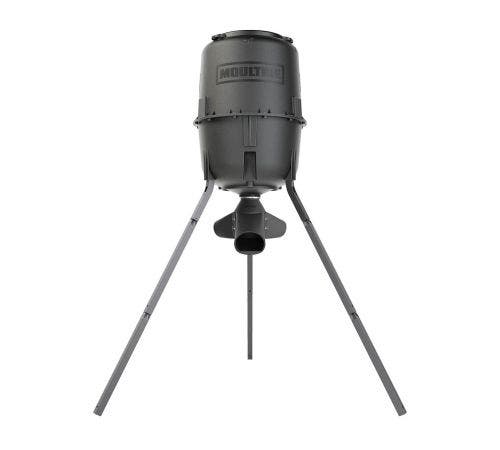
Best Wildgame Deer Feeders
As an Amazon Associate, I earn from qualifying purchases. If you buy through a link on this page, I may earn a commission at no extra cost to you. This guide names only the specifications the manufacturer or a retailer listing actually publishes for each model, and it never claims hands-on testing: this site researches feeders, it does not test them in the field.
Quick Answer: Which Wildgame Deer Feeder Should You Buy?
Buy the Wildgame Quick-Set Pro 270 if you want the strongest all-round Wildgame feeder: it holds 270 pounds, runs up to six feed times a day, throws feed up to 50 feet, and is the only feeder in the Quick-Set family that comes standard with a rigid varmint guard. If your budget is tighter or your site is a first trial site, the Wildgame Quick-Set 225 is the better value pick: the same quick-assembly idea, a 225-pound poly barrel, and four daily feed times. If you hunt a remote pocket with no power and no room for a tripod, the Wildgame Treehugger 100 gravity bag is the pick, because it needs no battery, no timer, and no motor at all. The rest of this guide explains where each of the six ranked Wildgame feeders wins, where each one falls short, and which one fits your land, your feed, and your refill schedule.
Wildgame Innovations has been making hunting gear since 2002, and its feeder line has a clear personality: simple, budget-minded, and built around one idea, which is getting a feeder up fast and getting deer patterned on a schedule. That is a genuine strength, and it is also the limit of the line. Wildgame does not sell a large steel protein feeder in the class of the big gravity hoppers, and it does not sell a feeder with app control or a camera built in. What it does sell is a tight family of tripod spin feeders, one hanging bucket feeder, one gravity bag, and a set of kits and accessories that let you build or repair a feeder from parts. If that matches your property, Wildgame is hard to beat for the money. If you need a 300-pound-plus steel gravity station, you should read our gravity feeder guide instead, and if you want the single best feeder regardless of brand, start with our best deer feeders roundup.
One naming warning before you spend anything, because Wildgame’s own model names cause real confusion. There are two different 270-pound Quick-Set feeders. The Quick-Set 270 is the standard 270-pound tripod feeder with four daily feed times and a 30-foot spread. The Quick-Set Pro 270 is the upgraded version with six daily feed times, feed durations from 1 to 30 seconds, a 50-foot spread, square tube legs, and the rigid varmint guard. Retailers sometimes shorten both names to “Quick-Set 270,” so check the timer specification and the varmint guard before you buy, not just the number on the box. This guide keeps the two models in separate ranked sections for exactly that reason. The same care applies to the Trophy Hunter name: the Wildgame Trophy Hunter is a timer and power control unit, not a feeder, so it appears in this guide only as an accessory and is never ranked as a feeder.
Best Wildgame Deer Feeders at a Glance
| Product | Best for | Capacity / key spec | Type | Photo |
|---|---|---|---|---|
| 1. Quick-Set Pro 270 | Best overall Wildgame feeder | 270 lb; 1–6 feeds/day; 50 ft spread | Tripod spin | 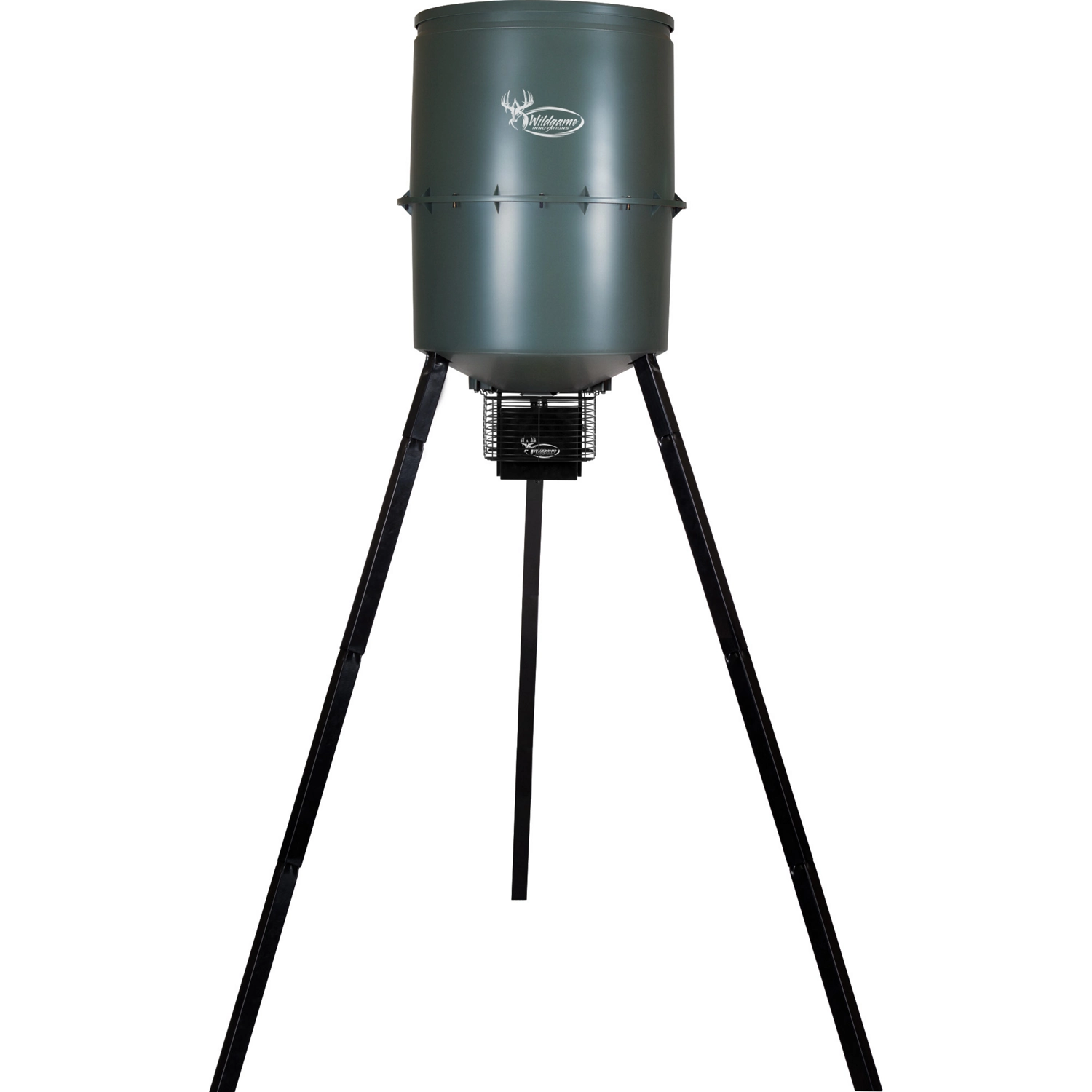 |
| 2. Quick-Set 225 | Best value tripod feeder | 225 lb / 30 gal; 1–4 feeds/day; 30 ft spread | Tripod spin | 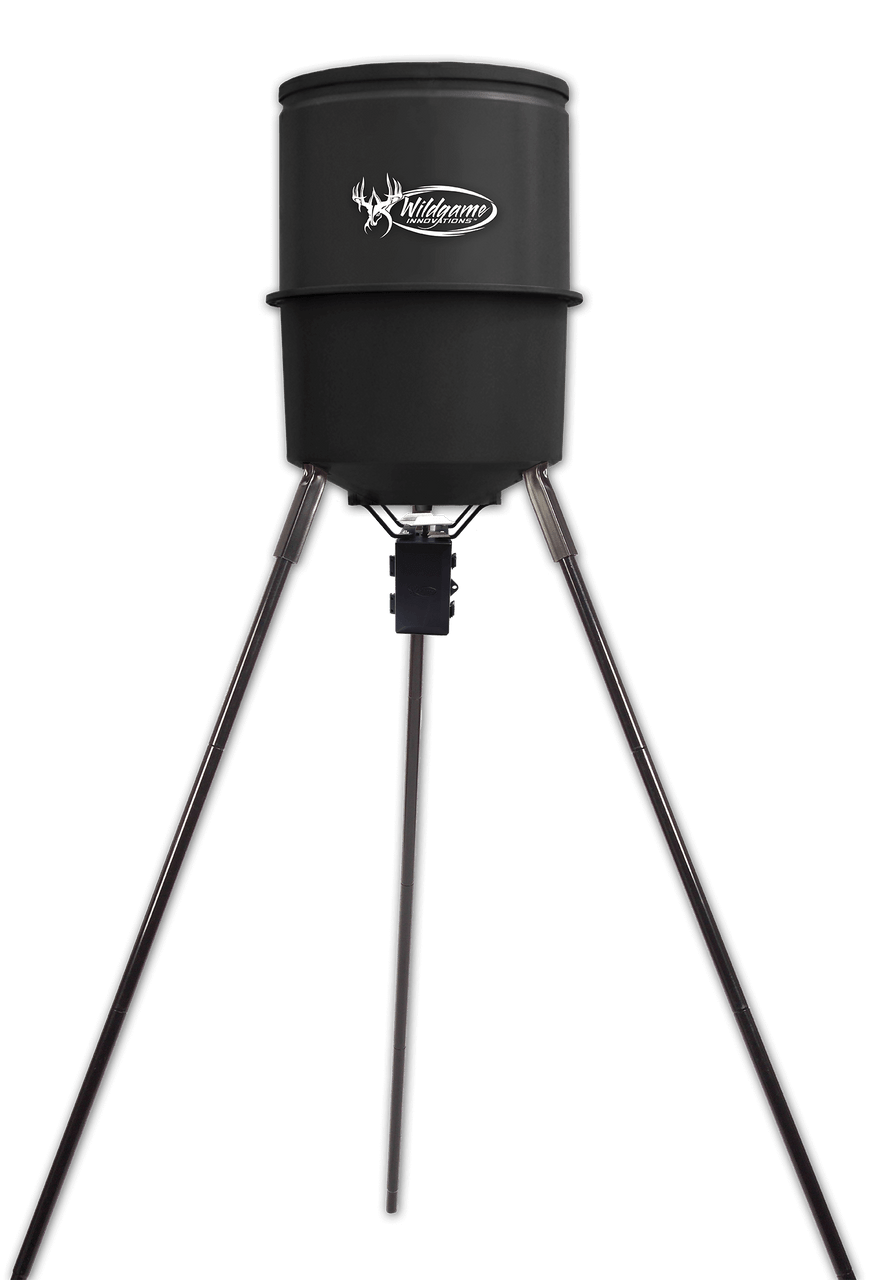 |
| 3. Quick-Set 270 | More capacity without the Pro timer | 270 lb / 40 gal; 1–4 feeds/day; 30 ft spread | Tripod spin | |
| 4. Treehugger 100 | Best gravity and remote-site feeder | 100 lb; gravity fed; no battery needed | Gravity bag, tree-mounted | 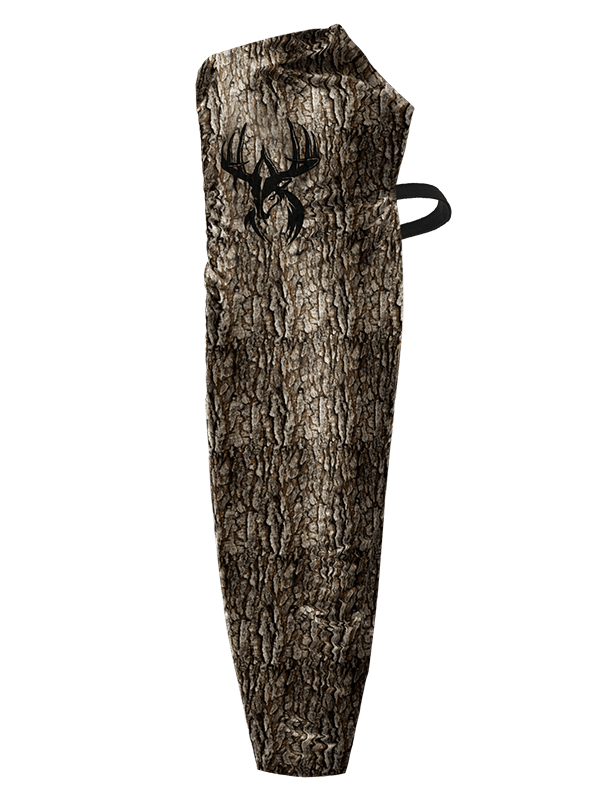 |
| 5. Quick-Set 50 | Best small, portable hanging feeder | 50 lb; photocell dawn/dusk feeds; 30 ft spread | Hanging bucket spin |  |
| 6. Evolution Digital Feeder Kit | Best kit for a barrel you already own | No barrel of its own; 6 feed programs; up to 30 ft spread | Feeder kit (motor + timer) |
Two rows above are deliberately blank. No verified photograph of the standard Quick-Set 270 or of the Evolution Digital Feeder Kit was available for this guide, so no photograph is shown rather than a photograph of a different model. A substituted photograph is worse than a blank cell, because it teaches you to recognise the wrong feeder.
How to Choose a Wildgame Feeder: Four Decisions That Matter More Than the Brand
1. Spin feeder or gravity feeder? Choose by how much control you need over timing
A spin feeder throws a measured amount of feed at times you choose, which is how you pattern deer to visit at dawn and dusk and how you ration an expensive feed. A gravity feeder simply lets deer eat whenever they arrive, which is simpler and silent, but you cannot ration it, you cannot schedule it, and on a high-traffic site it empties faster than the same weight of feed would last in a timed feeder. Wildgame’s line makes this choice easy because it is so clearly split: the Quick-Set tripod and bucket feeders are spin feeders, and the Treehugger is the only gravity feeder in the ranked list. If your main problem is deer visiting at unpredictable hours, or hogs and raccoons cleaning out a free-choice feeder overnight, buy a spin feeder and set short, regular feeds. If your main problem is a remote site you visit twice a season, buy the Treehugger and accept free-choice feeding as the price of zero maintenance. Our spin versus gravity comparison works through the same trade-off in more depth, and our gravity versus timed protein guide covers what changes when the feed is protein pellets rather than corn.
2. Capacity: buy refill intervals, not pounds
A capacity figure only means something when you turn it into a refill interval. A 270-pound feeder does not last “a long time” in any absolute sense: at 5 pounds of feed a day it lasts about 54 days, and at 20 pounds a day it lasts about 14 days. The right question is how often you can realistically reach the site, in the weather your season actually brings, with the vehicle you actually own. A feeder that holds a month of feed but sits at the end of a road that floods in November is a worse buy than a smaller feeder beside a road you can reach every weekend. Wildgame’s range covers this well, from 50 pounds for a trial site up to 270 pounds for a main station, and the refill math section below turns each capacity into days at three daily feed rates so you can match the model to your visiting schedule rather than to the biggest number on the page. One more caution: capacity figures are maker claims for a full hopper, and they vary by feed type, because a pound of corn and a pound of protein pellets do not occupy the same volume. Wildgame publishes a single headline figure per model, so treat that figure as a corn figure unless the listing says otherwise, and plan pellet refills conservatively.
3. Timer flexibility: four feeds, six feeds, or dawn and dusk only?
The timer is where Wildgame’s models genuinely differ, and it is the specification most buyers underweight. The Quick-Set 225 and the standard Quick-Set 270 offer one to four feed times a day, each lasting 5, 10, 15, or 20 seconds. That covers a dawn feed, a dusk feed, and two more slots, which is enough for most properties. The Quick-Set Pro 270 and the Evolution kit offer up to six feed times a day, each adjustable from 1 to 30 seconds, which matters if you want several small feeds through the day, or one very short feed to stretch a small amount of an expensive attractant, or a longer feed during peak season without reprogramming the whole schedule. The Quick-Set 50 goes the other way: a photocell timer that feeds at dawn and dusk only, with no clock to set and no midday slot. That is a feature if you want the simplest possible feeder, and a limitation if you want a midday feed for a trail camera check or a late-morning pattern. If you already own a Wildgame feeder and only the timer has failed, do not buy a whole new feeder: the Trophy Hunter timer is Wildgame’s replacement power control unit, and our deer feeder timer guide compares replacement timers across brands.
4. Site, varmints, and power: the three checks before you order
First, the site. A tripod feeder needs reasonably level ground, room for legs, and a clear throw circle: 30 feet of radius on the standard models, 50 feet on the Pro. A hanging bucket needs a branch or a hanger strong enough for 50 pounds of feed plus the bucket, and the Treehugger needs a tree trunk its straps can grip, which rules out very thin saplings and very large trunks alike. Second, varmints. Only the Pro 270 ships with a rigid varmint guard as standard in the Quick-Set family, and that guard protects both the feed and the power control unit; on the other spin models, raccoon and squirrel pressure is a real cost, and a separate varmint cage is worth pricing before you buy, not after the first empty hopper. Our varmint guard guide covers the options. Third, power. Every Wildgame spin feeder in this guide runs on a 6-volt battery that is not included, except that the Evolution kit is sold in 6-volt and 12-volt versions, so match the kit voltage to the battery you own. Budget for the battery and, if the site is far away, for a solar panel to keep it charged; our feeder solar panel guide and feeder battery guide cover both. A feeder with a dead battery on opening morning is not a feeder at all.
1. Wildgame Quick-Set Pro 270 — Best Overall Wildgame Feeder
The Quick-Set Pro 270 is the feeder to buy if you want one Wildgame feeder for a main hunting site and you do not want to discover its limits mid-season. Its headline figures are the strongest in the family: a 270-pound poly barrel, a programmable digital timer with one to six feed times a day, each lasting from 1 to 30 seconds, and a 50-foot feed radius in a full 360-degree pattern. Around those figures sit the upgrades that justify the “Pro” name rather than merely decorating it. The legs are powder-coated square tubes in a 12-piece kit, which resist twisting better than round legs on soft or uneven ground. The spinner plate is galvanised steel. A built-in funnel sits under the barrel to reduce feed waste, and the box design includes a handle for filling and transport. Most importantly for anyone who has lost feed to raccoons, the Pro is the only feeder in the Quick-Set family that comes standard with a rigid varmint guard, protecting both the feed and the power control unit. Setup is listed at about 15 minutes, and the power unit is 6-volt, with the battery sold separately.
The honest weaknesses start with weight and with the gap between published figures. Retailer listings disagree about the Pro’s unit weight, with figures from about 38 pounds to about 50 pounds, so do not plan a solo carry over rough ground on the strength of the lower figure; weigh the box when it arrives, or carry it in two trips. The Pro is also the most complex timer in this guide, and complexity has a failure mode: buyer summaries for this model report controllers changing feed times on their own, which is the kind of fault that is invisible until a camera shows deer arriving to an empty throw circle. Test the timer on the ground, with the battery you intend to use, for a full week before you haul the feeder to a remote site. Finally, the Pro’s 50-foot throw is a benefit only if the site has 50 feet of clear ground in every direction; on a tight woodland pocket, much of that feed lands in brush where deer will not clean it up, and a shorter throw with a tighter pattern would waste less. Measure the clearing before you buy the biggest throw.
Pros:
- 270-pound capacity, the joint-largest in this guide
- Most flexible timer: 1–6 feeds a day, 1–30 seconds each
- 50-foot, 360-degree spread for large clearings
- Only Quick-Set model with a rigid varmint guard as standard
- Powder-coated square tube legs for stability
Cons:
- Published unit weight varies from about 38 to 50 pounds across listings
- 6-volt battery not included, so the feeder is not ready out of the box
- Buyer summaries report occasional controller faults, including times changing on their own
- 50-foot throw wastes feed on tight, brushy sites
- No app control or camera integration
From the field: Retailer review summaries for the Pro 270, including a Tractor Supply summary showing about 88 percent of reviewers recommending it, describe it in consistent terms: easy to assemble, effective once running, and good value for a feeder of this capacity. The same summaries carry the complaints that matter for a buyer: difficulty installing the lid latch, no battery or solar charger in the box, battery connection trouble, condensation inside the unit, and the controller issue noted above. That pattern — a well-liked feeder with a minority of electrical and fit-and-finish complaints — is exactly what you should expect from a budget-priced electronic feeder, and it argues for the ground test recommended above rather than for avoiding the model.
| Spec | Detail |
|---|---|
| Capacity | 270 lb |
| Feed times | 1–6 per day |
| Feed duration | 1–30 seconds per feed |
| Feed radius | 50 ft, 360 degrees |
| Barrel | Poly barrel with built-in funnel |
| Legs | Powder-coated square tube, 12-piece kit |
| Spinner plate | Galvanised steel |
| Varmint guard | Rigid guard included as standard |
| Power | 6V power unit; battery not included |
| Setup time | About 15 minutes (some listings say 15–20 minutes) |
| Feed types | Corn or protein pellets |
| Unit weight | Reported differently across listings (about 38–50 lb); not relied on here |
Check Price on Amazon: Wildgame Quick-Set Pro 270
2. Wildgame Quick-Set 225 — Best Value Tripod Feeder
The Quick-Set 225 is Wildgame’s entry-level tripod feeder, and the manufacturer describes it in exactly those terms: a dependable entry-level poly barrel feeder that provides above-average results. That modest framing is accurate, and it is why this feeder earns the value pick rather than the overall pick. You get a 30-gallon poly barrel holding up to 225 pounds of feed, a digital timer with up to four daily feed times lasting 5, 10, 15, or 20 seconds, a galvanised steel spinner plate, a built-in funnel for accurate dispersal, and heavy-duty coated legs in a 12-piece kit, all at a manageable weight of about 37 pounds and a setup time of about 15 minutes. The feeder accepts corn or protein pellets, and the power control unit offers an adjustable motor speed control for different feed types. For a first feeder, a second site, or a property where you want two or three stations rather than one expensive one, that specification is difficult to argue with. On its own terms, the 225 does the core job well: it holds a useful amount of feed, it runs a simple schedule reliably, and it leaves money in the budget for a battery, a second station, or a varmint cage.
The weaknesses are the ones you accept when you buy the entry-level model. There is no varmint guard as standard, so on raccoon-heavy ground you should budget for protection separately or accept higher losses. The timer’s four feeds and 5-second minimum duration are less flexible than the Pro’s six feeds and 1-second minimum, which matters if you want very short, frequent feeds or more than four slots in a day. The 30-foot throw is smaller than the Pro’s 50-foot throw, which is fine for a woodland clearing and limiting for a large open plot. And the 225’s assembly, while fast, has a known weak point in the leg hardware, described in the field notes below. None of these weaknesses disqualifies the feeder; together they define the price of the saving, and a buyer who knows them in advance will not be surprised by them in the field.
Pros:
- 225-pound capacity in a 30-gallon poly barrel
- About 37 pounds empty, so one person can move it
- About 15 minutes from box to working feeder
- Four daily feed times with adjustable motor speed for different feeds
- Corn or protein pellets, with a built-in funnel to cut waste
Cons:
- No varmint guard as standard, unlike the Pro 270
- Timer limited to four feeds a day, minimum 5 seconds per feed
- 30-foot throw, not the Pro’s 50-foot throw
- Leg hardware is a reported weak point during assembly
- 6-volt battery not included
From the field: Retailer review summaries for the Quick-Set 225 are mixed in a useful way. A Tractor Supply summary across several hundred reviews puts recommendations at about 70 percent, with an average rating below four stars, and the positive notes repeat the same phrase: a great budget feeder. The negative notes are specific rather than vague. One buyer who bought three feeders reported that the push-in plastic leg inserts broke during installation, calling them cheap plastic junk and advising a different brand with screws for easier installation. Another reviewer liked the feeder overall but said they would change the legs and the locking arrangement. Read together, the message is clear: the barrel, timer, and spinner do the job, but handle the leg kit gently, keep spare inserts or fasteners in the truck, and do not force the plastic fittings on a cold morning.
| Spec | Detail |
|---|---|
| Capacity | 225 lb / 30 gallons |
| Feed times | 1–4 per day |
| Feed duration | 5, 10, 15, or 20 seconds per feed |
| Feed radius | 30 ft, 360 degrees |
| Barrel | Poly barrel with built-in funnel |
| Legs | Heavy-duty coated legs, 12-piece kit |
| Spinner plate | Galvanised steel |
| Motor speed | Adjustable (low, medium, high) for different feed types |
| Power | 6V power unit; battery not included |
| Setup time | About 15 minutes |
| Empty weight | About 37 lb (manufacturer description) |
| Feed types | Corn or protein pellets |
Check Price on Amazon: Wildgame Quick-Set 225
3. Wildgame Quick-Set 270 — More Capacity Without the Pro Timer
The standard Quick-Set 270 is the model most often confused with the Pro 270, so start with the difference, because everything else about the buying decision follows from it. The standard 270 holds the same 270 pounds in a 40-gallon poly barrel, and it assembles in about 15 minutes like the rest of the family, but its timer is the standard Quick-Set timer: up to four daily feed times lasting 5, 10, 15, or 20 seconds, and a 30-foot, 360-degree spread. It does not have the Pro’s six feed times, its 1-to-30-second durations, its 50-foot throw, its square tube legs, or its rigid varmint guard as standard. What you are buying, in other words, is the standard-timer feeder at the larger capacity: a bigger hopper on the simpler timer. That is a sensible purchase for a specific buyer: someone whose site needs more than 225 pounds between visits, who feeds on a simple dawn-and-dusk schedule, and who does not need extra timer slots or a factory-fitted varmint guard. It is a poor purchase for someone who wants the Pro’s features and assumes the shared “270” number means they are included.
The weaknesses follow the same logic. Without the varmint guard, raccoon and squirrel pressure falls on you to solve, either with a separate cage or with site choice. Without the 1-second minimum feed duration, you cannot run the very short feeds that stretch an expensive attractant or supplement across a season. The 30-foot throw, while adequate for most clearings, does not cover a large open plot the way the Pro’s 50-foot throw does. And because retailers sometimes list this model and the Pro under near-identical names, the largest risk with the standard 270 is not the feeder itself but buying it by mistake when you wanted the Pro, or paying a Pro price for the standard timer. Before ordering, confirm three things on the listing: four feed times rather than six, a 30-foot range rather than 50 feet, and no rigid varmint guard in the included-features list. If the listing shows six feeds and a varmint guard, you are looking at the Pro, whatever the headline calls it. No Amazon button is shown for this model in this guide, because no verified Amazon listing for the standard 270 (as distinct from the Pro) was confirmed; buy it from a retailer listing that passes the three checks above.
Pros:
- 270-pound capacity in a 40-gallon poly barrel
- Simple, proven four-feed timer that is easy to program
- About 15 minutes from box to working feeder
- Lightweight enough to move when empty
- Corn or protein pellets, with a built-in funnel
Cons:
- No rigid varmint guard as standard
- Timer limited to four feeds, minimum 5 seconds, unlike the Pro
- 30-foot throw, not the Pro’s 50-foot throw
- Easily confused with the Pro 270 in retailer listings
- No verified Amazon button in this guide; check the listing carefully before buying elsewhere
| Spec | Detail |
|---|---|
| Capacity | 270 lb / 40 gallons |
| Feed times | 1–4 per day |
| Feed duration | 5, 10, 15, or 20 seconds per feed |
| Feed radius | 30 ft, 360 degrees |
| Barrel | Poly barrel with built-in funnel |
| Power | 6V battery required; battery not included |
| Setup time | About 15 minutes |
| Feed types | Corn or protein pellets |
| Not included | Pro features: six-feed timer, 50 ft throw, square legs, rigid varmint guard |
4. Wildgame Treehugger 100 — Best Gravity and Remote-Site Feeder
The Treehugger is the odd one out in this guide, and that is precisely its value. It is not a smaller tripod feeder; it is a different kind of feeder altogether. Made from long-lasting PVC with a TruBark HD exterior, it straps directly to a tree with integrated straps and a heavy-duty buckle, and it feeds by gravity: as deer eat from the bottom, more feed drops down to replace it. There is no electricity, no timer, no motor, and no moving part to fail. Setup is listed at under five minutes, the roll-top lid is weather-tight to keep rain off the feed, and the whole unit weighs about 5 pounds empty, so you can carry two of them into a backwoods pocket or a swamp edge that you would never drag a tripod feeder into. Fill it with corn, attractants, protein, minerals, or a combination, and it will feed whenever deer arrive, day or night, whether you are there or not. For testing a new site, for a lease corner you visit twice a season, or for a hunter who simply does not want another battery to maintain, the Treehugger is the most honest feeder in the Wildgame line, because it promises very little and delivers exactly that.
The weaknesses are the mirror image of the strengths. Free-choice feeding cannot be rationed, so on a high-traffic site a Treehugger empties faster than the same weight of feed would last in a timed spin feeder, and hogs, raccoons, and squirrels eat from it just as freely as deer do. A bag feeder is also more vulnerable than a barrel: summaries of buyer reports mention strap durability problems and squirrels chewing through the bag, so inspect the straps and the bag body on every visit, and do not hang a Treehugger and forget it for a season. Capacity needs a careful read as well. The headline figure is 100 pounds, and most listings repeat it, but at least one retailer feature line puts the corn figure at 80 pounds, and some retailer listings label the same model number as an 80-pound feeder. The safest planning figure for corn is therefore 80 pounds, with 100 pounds treated as the headline maximum rather than a promise for every feed type. Finally, the Treehugger has no throw radius, no schedule, and no way to pattern deer to a particular hour, so if your goal is a timed morning pattern for a stand, this is the wrong tool even though it is a good feeder.
Pros:
- No battery, timer, motor, or moving part to fail
- Setup in under five minutes on any suitable tree
- About 5 pounds empty, so it goes where tripods cannot
- Weather-tight roll-top lid keeps rain off the feed
- Takes corn, attractants, protein, minerals, or a mix
Cons:
- Free-choice feeding cannot be rationed or scheduled
- Hogs, raccoons, and squirrels feed from it as freely as deer
- Buyer summaries report strap wear and squirrels chewing the bag
- Capacity listings disagree: 100 lb headline, with some listings showing 80 lb for corn
- No throw radius and no way to pattern deer to a set hour
From the field: Summaries of buyer and editorial reports on the Treehugger agree on the same picture: a simple, low-maintenance feeder that does what it says, with the complaints concentrated where you would expect them on a fabric-and-PVC bag feeder. Buyers praise the fast setup and the ability to test a site cheaply, and the recurring negatives are strap durability and animals chewing through the bag material. Neither complaint suggests the design is dishonest; both suggest a maintenance routine. Check the straps, check the bag, and replace the unit when the material shows wear, rather than trusting a worn bag with a full load of feed over a trail.
| Spec | Detail |
|---|---|
| Capacity | 100 lb headline; plan corn refills on 80 lb (see text) |
| Type | Gravity bag feeder, tree-mounted |
| Material | Long-lasting PVC, TruBark HD exterior |
| Attachment | Integrated straps with heavy-duty buckle |
| Lid | Weather-tight roll-top lid |
| Power | None required; no moving parts |
| Setup time | Under 5 minutes |
| Empty weight | About 5 lb |
| Feed types | Corn, attractants, protein, mineral, or a combination |
| Model number | WGIFD0032 |
Check Price on Amazon: Wildgame Treehugger 100
5. Wildgame Quick-Set 50 — Best Small, Portable Hanging Feeder
The Quick-Set 50 is the smallest feeder in the Quick-Set family, and the manufacturer is candid about the trade: what it lacks in stature it makes up for with the ability to attract and pattern game from a pail you can move in minutes. The design is a hanging bucket feeder with a 50-pound capacity, a galvanised steel spinner plate, and a photocell timer that distributes feed up to 30 feet at dawn and dusk, when game is most likely on the move. Setup is about five minutes from the box, the pail design streamlines both setup and operation, and moving to a new spot means lifting the bucket off its hanger and rehanging it, not dismantling a tripod. For a trial site you have not proven yet, for a small property where a tripod would dominate the clearing, for a funnel or pinch point with one good hanging branch, or as a second station near a main feeder, the Quick-Set 50 is the right scale of tool. It also makes a sensible first feeder for a new hunter: the cost of being wrong about the site is one bucket of feed, not a full barrel.
The weaknesses are all consequences of the size and the photocell timer. Fifty pounds is a small reservoir: at even a modest daily feed rate it needs refilling often, and on a high-traffic site it can empty in days, so do not buy it for a main station you visit monthly. The photocell timer feeds at dawn and dusk only, with one to two available feed times a day, so there is no midday slot and no clock-set schedule; if you want a 10 a.m. feed, this feeder cannot give it to you. A hanging feeder also depends entirely on its hanger: the branch, cable, or bracket must carry 50 pounds of feed plus the bucket safely, and a failed hanger spills the whole load at once. And as with every spin feeder in this guide, the 6-volt battery is not included, so the feeder is not ready out of the box. No Amazon button is shown for this model in this guide, because no verified Amazon listing for the Quick-Set 50 was confirmed against the allowed list; buy it from a retailer listing that matches the model number W50P and the photocell description above.
Pros:
- Smallest and most portable feeder in the Quick-Set family
- About 5 minutes from box to working feeder
- Photocell timer needs no clock setting: dawn and dusk feeds
- 30-foot, 360-degree spread from a hanging pail
- Ideal for trial sites, small properties, and second stations
Cons:
- Only 50 pounds, so refills are frequent on busy sites
- Dawn and dusk only: no midday or clock-set feed times
- Depends on a hanger strong enough for the full loaded weight
- 6-volt battery not included
- No verified Amazon button in this guide; verify model W50P before buying elsewhere
| Spec | Detail |
|---|---|
| Capacity | 50 lb |
| Type | Hanging bucket (pail) spin feeder |
| Timer | Photocell (PCell) timer; dawn and dusk feeds; 1–2 feed times per day |
| Feed radius | Up to 30 ft, 360 degrees |
| Spinner plate | Galvanised steel |
| Power | 6V battery required; battery not included |
| Setup time | About 5 minutes |
| Feed types | Corn or protein pellets |
| Model number | W50P |
6. Wildgame Evolution Digital Feeder Kit — Best Kit for a Barrel You Already Own
The Evolution Digital Feeder Kit is ranked last here deliberately, not because it is a poor product but because it is a different kind of purchase from the five feeders above: it is a motor and timer kit, not a complete feeder. You supply the barrel or drum; the kit supplies the digital power control unit, the spinner, and the control that makes it a timed feeder. That distinction matters, because a buyer who orders the kit expecting a barrel in the box will be disappointed on delivery day, and a buyer who already owns a sound barrel will save money and waste nothing. Retailer listings for the kit describe six programmable feed times with durations from 1 to 30 seconds, a 360-degree feed range of up to 30 feet, and versions in both 6-volt and 12-volt, so the first check before ordering is voltage: buy the version that matches the battery you own, because a 12-volt kit on a 6-volt battery, or the reverse, is a return, not a feeder.
The kit’s strengths are flexibility and repair value. Six feed programs with 1-to-30-second durations give you the same timer range as the Pro 270 on a barrel of your choosing, which is useful if you have a heavy drum, a custom barrel, or a feeder whose original control unit has failed. A kit also lets you standardise: one timer type across several barrels means one set of spares, one programming routine, and one battery type if you choose consistently. The weaknesses are equally clear. The kit has no capacity of its own, so every refill calculation depends on your barrel, and the manufacturer does not publish a single capacity figure for it. It has no legs, no funnel, and no varmint guard in the kit description, so those are your problems to solve, not included features. And installation quality is entirely on you: a poorly sealed kit-to-barrel joint leaks rain into the feed, and a poorly mounted spinner throws feed unevenly, in ways that a complete factory feeder avoids. If you are not comfortable sealing and mounting a kit, buy a complete feeder from the ranked list above instead. No Amazon button is shown for this kit in this guide, because no verified Amazon listing for it was confirmed against the allowed list; verify the voltage version and the model number on the retailer listing before buying.
Pros:
- Six programmable feed times, 1–30 seconds each, matching the Pro timer range
- Turns a sound barrel or drum you already own into a timed feeder
- Available in 6-volt and 12-volt versions
- Up to 30-foot, 360-degree spread
- Useful as a repair or standardisation part across several barrels
Cons:
- No barrel, so no capacity of its own and no complete-feeder convenience
- No legs, funnel, or varmint guard included in the kit description
- Voltage must be matched to your battery before ordering
- Sealing and mounting quality depend entirely on your installation
- No verified Amazon button in this guide
| Spec | Detail |
|---|---|
| What it is | Digital feeder kit (motor + timer + spinner); barrel not included |
| Feed programs | 6 programmable feed times |
| Feed duration | 1–30 seconds per feed |
| Feed range | Up to 30 ft, 360 degrees |
| Voltage versions | 6V and 12V versions listed; match to your battery |
| Capacity | None of its own; depends on the barrel you fit it to |
| Not included | Barrel, legs, funnel, varmint guard |
Wildgame Accessories Worth Knowing About (Not Ranked as Feeders)
Two Wildgame accessories deserve a mention because they solve the two most common Wildgame problems: a dead timer and a dead motor. The Wildgame Trophy Hunter timer is the brand’s digital power control unit and the natural replacement when a Quick-Set timer fails; it is a timer accessory, not a feeder, and it is never ranked as one in this guide. The Wildgame 12-volt motor is the replacement spinner motor for 12-volt feeder setups. Both are worth knowing about before you replace a whole feeder for a single failed part, and both are covered in more depth in our feeder parts and accessories guide. Wildgame also sells varmint cages, solar panels, feeder lights, funnels, and lids for 55-gallon drums; if you build a drum feeder around the Evolution kit, the drum funnel and lid are part of the same shopping list, not afterthoughts.
Check Price on Amazon: Wildgame Trophy Hunter Timer (accessory)
Check Price on Amazon: Wildgame 12V Motor (accessory)
Cost and Ownership Math: Refill Intervals, Batteries, and the Costs Nobody Puts on the Box
Wildgame feeders are budget-priced, and this guide deliberately prints no prices, because prices change and a printed price goes stale faster than any other fact in a buying guide. Check the listing on the day you buy. What does not change is the ownership math, and it is worth doing before you order, because it is where budget feeders surprise people. The first cost after the feeder itself is the battery: every spin feeder in this guide needs a 6-volt battery that is not in the box (or the matching voltage for the Evolution kit), and a solar panel is a further cost if the site is far away. The second cost is feed, and it dwarfs the feeder within a season on any busy site. The third cost is your time and fuel for refill trips, which is why capacity should be chosen by refill interval, not by the biggest number.
The table below is planning arithmetic, not a measured throw rate: it divides each ranked feeder’s capacity by three illustrative daily feed rates. Your actual daily use depends on your timer settings, your feed type, and how many deer visit, so use the table to compare models against each other and against your visiting schedule, not as a promise of how long a fill will last. A timed spin feeder at a low daily rate stretches feed far longer than a gravity feeder at the same capacity, because the gravity feeder feeds all day; the Treehugger row below is therefore a maximum, and on a busy site it will empty considerably faster.
| Feeder | Capacity | At 2 lb/day | At 5 lb/day | At 10 lb/day |
|---|---|---|---|---|
| Quick-Set Pro 270 | 270 lb | About 135 days | About 54 days | About 27 days |
| Quick-Set 270 | 270 lb | About 135 days | About 54 days | About 27 days |
| Quick-Set 225 | 225 lb | About 113 days | About 45 days | About 23 days |
| Treehugger 100 (corn planning figure 80 lb) | 80 lb | About 40 days | About 16 days | About 8 days |
| Quick-Set 50 | 50 lb | About 25 days | About 10 days | About 5 days |
| Evolution kit | Your barrel | Depends on the barrel you fit it to; divide its capacity by your daily rate | ||
Three ownership lessons follow from that table. First, a 50-pound feeder is a weekly or fortnightly commitment on any site with real deer traffic, so buy it only for sites you can reach that often. Second, the jump from 225 to 270 pounds buys about nine extra days at 5 pounds a day, which matters if your visits are monthly and does not matter if they are weekly; do not pay for capacity your visiting schedule cannot use. Third, the cheapest feeder in the range can become the most expensive if it is the one you must drive two hours to refill every ten days. Add up feeder, battery, solar panel if needed, feed for the season, and the fuel and time for every refill trip before you decide that the smallest feeder is the cheapest feeder. It often is not.
A final ownership note on legality, because it applies to every feeder in this guide and to every brand. Feeding and baiting rules vary by state, and in some states they vary by county, season, and disease management zone. A feeder that is legal in Texas in September may be restricted in another state in the same month, and a gravity feeder that is legal where timed feeding is not, or the reverse, is a distinction worth checking rather than assuming. Check your state wildlife agency’s current rules for the exact location and season before you buy, set, or fill any feeder, and re-check them each season, because rules change and disease-zone boundaries move. Our state legality guides are a starting point, not a substitute for the agency’s current text.
Best Wildgame Deer Feeders: Frequently Asked Questions
What is the best Wildgame deer feeder overall?
The Quick-Set Pro 270 is the best all-round Wildgame feeder in this guide: 270-pound capacity, one to six feed times a day at 1 to 30 seconds each, a 50-foot spread, and the only standard rigid varmint guard in the Quick-Set family. Buy it for a main site where you want the most capacity and the most timer flexibility Wildgame offers.
What is the difference between the Wildgame Quick-Set 270 and the Quick-Set Pro 270?
Both hold 270 pounds, but they are different feeders. The standard Quick-Set 270 uses the standard timer (one to four feeds a day, 5 to 20 seconds each) and a 30-foot spread, with no rigid varmint guard as standard. The Pro 270 uses an upgraded timer (one to six feeds a day, 1 to 30 seconds each), a 50-foot spread, square tube legs, and a rigid varmint guard as standard. Check the timer specification and the varmint guard on the listing, not just the number 270.
Is the Wildgame Quick-Set 225 a good feeder for the money?
Yes, for what it is: a dependable entry-level tripod feeder with a 225-pound poly barrel, four daily feed times, and a 30-foot spread, at a manageable weight of about 37 pounds. Its limits are the absence of a standard varmint guard and a less flexible timer than the Pro 270. Handle the leg kit gently during assembly, because buyer reports cite broken plastic leg inserts as its main weak point.
Do Wildgame feeders come with a battery?
No. The spin feeders in this guide run on a 6-volt battery that is not included, and the Evolution kit is sold in 6-volt and 12-volt versions, so you must match the kit voltage to your battery. Budget for the battery before the feeder goes to the field, and consider a solar panel for remote sites so the battery stays charged between visits.
Can Wildgame feeders handle protein pellets as well as corn?
The Quick-Set tripod feeders are listed for corn or protein pellets, and the Quick-Set 225 includes an adjustable motor speed control for different feed types. The Treehugger accepts corn, attractants, protein, minerals, or a combination. Capacity figures are headline figures for a full hopper and vary by feed type, so plan pellet refills conservatively and do not assume the corn figure applies to pellets.
Is the Wildgame Treehugger really a 100-pound feeder?
The headline figure is 100 pounds, and most listings repeat it, but at least one retailer feature line puts the corn figure at 80 pounds, and some listings label the same model number as an 80-pound feeder. Plan corn refills on 80 pounds and treat 100 pounds as the headline maximum. Inspect the straps and the bag on every visit, because buyer summaries report strap wear and squirrels chewing the bag.
What is the Wildgame Trophy Hunter: a feeder or a timer?
The Trophy Hunter is a timer and power control unit, not a feeder. It is the replacement control unit for Wildgame feeders, and it appears in this guide only as an accessory. If your Wildgame feeder’s barrel, legs, and spinner are sound but its timer has failed, replacing the timer is cheaper than replacing the whole feeder.
How long does it take to set up a Wildgame feeder?
The Quick-Set tripod feeders are listed at about 15 minutes from box to working feeder, and the Quick-Set 50 hanging bucket at about 5 minutes. The Treehugger straps to a tree in under five minutes. Those are assembly figures, not site-preparation figures: clearing ground, choosing the throw circle, and testing the timer for a week on the ground before a remote install all take longer, and all are worth doing.
Do Wildgame feeders keep raccoons and hogs out?
Only the Quick-Set Pro 270 includes a rigid varmint guard as standard in the Quick-Set family, and that guard protects the feed and the power control unit. The other spin models have no standard guard, and the Treehugger is a free-choice bag that hogs, raccoons, and squirrels can feed from as freely as deer. On varmint-heavy ground, budget for a separate varmint cage or choose the Pro 270.
Which Wildgame feeder is best for a remote property I rarely visit?
It depends on what “rarely” means. If you visit a few times a season and want zero maintenance, the Treehugger needs no battery or timer, but it feeds free-choice and empties fastest. If you visit monthly and want rationed feeding, a 270-pound tripod feeder with a solar panel on its battery is the better remote choice, because timed feeding stretches the same weight of feed much further. Do not put a 50-pound feeder on a site you visit rarely; the refill math in this guide shows why.
Can I use a Wildgame feeder kit on a 55-gallon drum?
The Evolution Digital Feeder Kit is a motor and timer kit for a barrel or drum you supply, so it can be the control unit for a drum build, provided you match the voltage version to your battery and solve the funnel, lid, legs or hanging, and sealing yourself. Wildgame sells drum funnels and lids as separate accessories. If you are not comfortable sealing and mounting a kit, a complete factory feeder is the safer purchase.
Are Wildgame deer feeders legal in my state?
That depends on your state, and sometimes on your county, season, and disease management zone. Feeding and baiting rules vary widely, and they change. Check your state wildlife agency’s current rules for the exact location and season before you buy, set, or fill any feeder, and re-check them each season. Nothing in this guide is legal advice for a particular location.
Verdict: The Best Wildgame Deer Feeder for Your Property
Buy the Quick-Set Pro 270 for a main site: the largest capacity, the most flexible timer, the widest throw, and the only standard varmint guard in the family make it the strongest all-round Wildgame feeder. Buy the Quick-Set 225 if you want the best value tripod feeder and you can live without the Pro’s timer range and guard. Buy the Quick-Set 270 if you need 270 pounds on the simpler standard timer and you have checked the listing against the Pro’s specification. Buy the Treehugger 100 for a remote pocket, a trial site, or anywhere a battery and a motor are liabilities rather than assets, and plan corn refills on 80 pounds. Buy the Quick-Set 50 for a small property, a tight spot, or a second station you can reach often. Buy the Evolution Digital Feeder Kit only if you already own a sound barrel and you match its voltage to your battery. Whichever model you choose, test the timer on the ground for a full week, budget for the battery the box does not include, and check your state wildlife agency’s current feeding rules for your exact location and season before you fill it.
Products mentioned in this guide
Wildgame Innovations Quick-Set Pro 270 Feeder
Check Price on Amazon →Confirm price and availability on AmazonWildgame Innovations Quick-Set 225 Feeder
Check Price on Amazon →Confirm price and availability on AmazonWildgame Innovations Treehugger 100 lb Feeder
Check Price on Amazon →Confirm price and availability on Amazon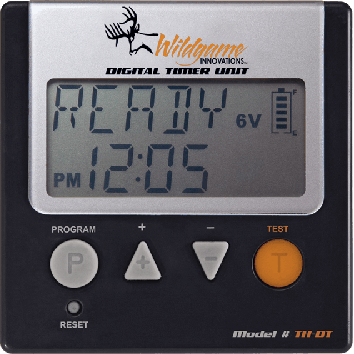
Wildgame Innovations Trophy Hunter Digital Timer
Check Price on Amazon →Confirm price and availability on Amazon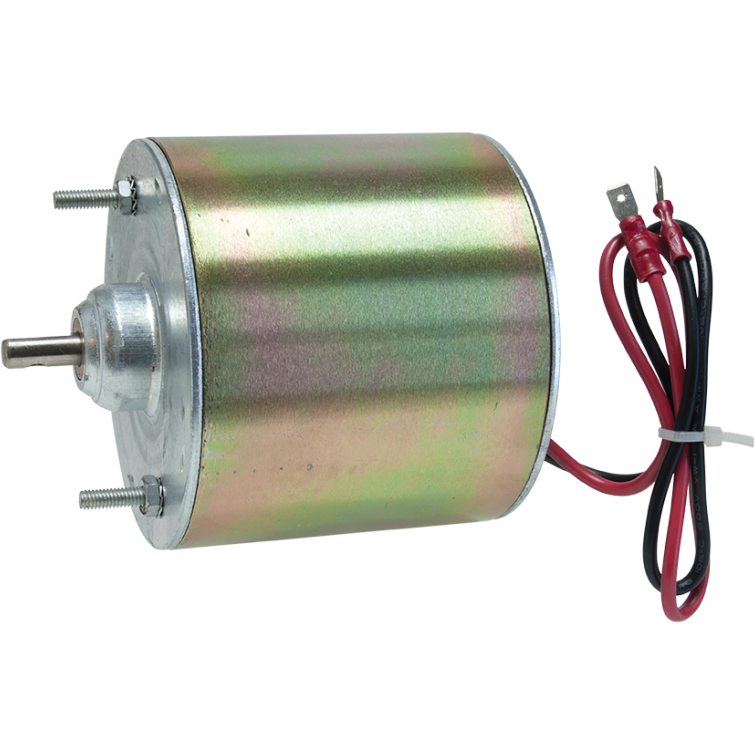
Wildgame Innovations 12V Replacement Motor
Check Price on Amazon →Confirm price and availability on AmazonAs an Amazon Associate, we earn from qualifying purchases.