Wildgame Quick-Set 225 vs Pro 270: Which Feeder to Buy
As an Amazon Associate I earn from qualifying purchases. Picks are based on manufacturer specs and owner reviews, not hands-on testing.
Quick verdict
Choose the Quick-Set Pro 270 for a more adjustable feeding program and its factory rigid varmint guard. Choose the Quick-Set 225 for a straightforward station you can check regularly. My default pick is the Pro for its useful hardware upgrades; the 225 fits buyers who want the simpler setup.
Check Quick-Set 225 on Amazon Check Quick-Set Pro 270 on Amazon
Side-by-side specifications
| Feature | Quick-Set 225 | Quick-Set Pro 270 |
|---|---|---|
| Advertised capacity | 225 lb | 270 lb |
| Feed events per day | Up to 4 | Up to 6 |
| Event duration | 5 / 10 / 15 / 20 seconds | 1–30 seconds |
| Factory rigid varmint guard | Not standard on the 225 | Included on Pro |
| Leg description | see listing | Powder-coated square tube |
| Supported feed | Corn or protein pellets | Corn or pellets; confirm selected listing |
| Power | see listing | 6V power unit; confirm battery package |
| Exact package contents | see listing | see listing |
Specifications: Quick-Set 225 manufacturer specifications, Quick-Set Pro manufacturer specifications. Checked October 24, 2026.
Choose the model that fits your routine
Choose the Quick-Set Pro 270 if
- You want finer control over run duration.
- You prefer the Pro’s included rigid guard and square-tube leg design.
- Your refill plan benefits from a larger hopper.
Skip the Pro if
- You will not use its extra adjustments or hardware.
- You need a different mounting style rather than a larger tripod feeder.
Choose the Quick-Set 225 if
- A basic scheduled station covers your needs.
- You can inspect and refill it regularly.
- You want to avoid buying features merely because they sound more advanced.
Skip the 225 if
- The Pro’s factory guard is a requirement for your purchase.
- Your plan calls for more flexibility than the simpler timer provides.
Differences that matter
Timer and feed control: the strongest reason to choose Pro
The Pro is my pick for someone who wants to tune a station rather than accept a short menu of run lengths. The 225 is the better fit when a basic program already matches the job. Write down the intended routine first; that makes the buying decision much clearer than comparing product names.
More available events do not mean deer need more feeding events. Use the controls to support a deliberate plan, within the rules that apply at the property. If the feeding schedule is still your main question, start with our feeder timing guide.
Do not turn seconds into pounds without measuring actual output at your station. Feed material, setup and operating conditions are part of that result. Begin with the manufacturer’s instructions and observe the outcome before expanding the schedule. If straightforward control is enough, the 225 remains a sensible choice.
Capacity and refills: reserve helps only if you can service it
Pick the larger feeder when the extra reserve serves your access plan. A long drive to refill is different from a station you pass during normal property work. Make that distinction before treating the bigger barrel as the automatic winner.
The smaller feeder suits regular inspection. You can keep a simple record of refill visits and adjust your routine around what actually happens on the property. That is a firmer basis for planning than a universal claim that one hopper will last a particular number of weeks.
Think about safe lifting and the approach route as well as storage. Keep the service position clear and use the approved assembly configuration. If a tripod is awkward for the spot, compare hanging feeder options before buying a larger tripod to solve the wrong problem.
Power: make battery service part of the purchase
A good feeder purchase includes a power plan. Check the selected package for the required battery, terminal arrangement and any charging accessory before loading your vehicle. Similar-looking feeder batteries and panels are not automatically interchangeable.
One Pro owner review describes battery consumption as an ownership concern. Treat that as a prompt to inspect the power setup and your program, not a battery-life forecast. Your schedule and equipment must guide maintenance.
Our battery compatibility guide is the right next step if you have not settled the power requirements. Add solar only after checking the feeder and charging equipment together.
Setup: buy the right Quick-Set, then inspect the assembly
Make sure the listing says Pro when the Pro is the model you want. Wildgame also sells a standard Quick-Set 270. A matching capacity number does not establish the Pro timer, guard or leg configuration. Compare the package description with the model in the table before ordering.
The setup job should start empty, with the instructions and hardware laid out. Establish firm footing and inspect every joint before loading the hopper. Stop and resolve missing parts before the station becomes a loaded handling problem.
Leave room around the service points and think about how you will bring feed in. Our placement guide and tripod feeder comparison help with that decision.
Durability complaints owners report: lids, legs and exposed access
Individual 225 reviews include concerns about leg locking and squirrel damage to the hopper or lid. Other reviewers describe straightforward operation. Inspect the same areas on your own delivery rather than assuming every unit shares one owner’s experience. Quick-Set 225 owner reviews (Tractor Supply).
A Pro review mentions lid and clip sturdiness, battery use and getting the feed outlet arrangement right. Those are worthwhile inspection points. Do not copy a reviewer’s clearance measurement or hardware modification as a factory instruction. Read the Pro review context.
The Pro’s guard is a reason to prefer its factory package, not a guarantee against every animal. Where animal pressure dominates the decision, compare varmint-guard options.
What’s not in the box
Treat the selected listing’s contents as your packing list. Do not assume a rechargeable battery, charger, panel or feed is supplied because it appears in an accessory recommendation. Pro owner feedback includes confusion over expected battery contents, so check the actual seller package before purchase.
On arrival, compare the hardware with the instructions before traveling to the property. Photograph the label and keep the purchase record. If an item is missing or damaged, resolve it while the feeder is empty.
Common problems and the right fixes
Start with the symptom rather than a shopping basket. If the timer display works but the feeder misses an event, check the stored program and follow the manual’s test procedure. A display that lights up does not by itself clear the power system or prove the motor has failed.
If feed remains in the hopper, inspect for a visible flow problem only after isolating power and following the instructions. Keep fingers and tools out of a powered mechanism.
For a step-by-step diagnostic path, use deer feeder not working. If the diagnosis really points to the timer, use our replacement timer guide.
Frequently asked questions
Is the Pro 270 the best choice for everyone?
No. Choose it when you will use the extra control flexibility and prefer the factory guard arrangement. Choose the 225 when a straightforward schedule meets your requirements and regular servicing is convenient. The best purchase is the one that fits the station, not automatically the one with the larger capacity label.
Is the standard Quick-Set 270 the same as the Pro?
No. Keep the standard Quick-Set 270 and Quick-Set Pro separate while shopping. Capacity alone does not establish the timer or hardware package. Read the selected listing carefully and match the Pro designation and included components to the product you intend to buy.
Does a rigid varmint guard make the Pro animal-proof?
No. Treat the guard as a documented protective feature, not a guarantee against every animal or every route of damage. The lid, hopper and other exposed areas still deserve inspection.
How long will a full hopper last?
There is no dependable universal answer without your actual dispensing and site information. Start with the approved feeding program, record refill amounts and inspect the station. Use that record to plan visits.
Should I replace the timer if feeding stops?
Check the program, power supply and visible condition before ordering a timer. A missed event does not identify the failed part by itself. Replace a component only when the diagnosis and exact compatibility support that choice.
Final verdict
Buy the Quick-Set Pro 270 when you want the more adjustable factory package. Its control options and included guard give a clear reason to choose it. That is my pick for the buyer who will use those features.
Buy the Quick-Set 225 when a straightforward station matches your routine and you can keep up with inspection and refills. Confirm the correct model, package and power requirements before checkout.
Check price: Quick-Set 225 Check price: Quick-Set Pro 270Still comparing brands? See our best deer feeders roundup and Moultrie vs Wildgame comparison.
Sources checked October 24, 2026
- Quick-Set 225 manufacturer specifications
- Quick-Set Pro manufacturer specifications
- Quick-Set 225 owner reviews (Tractor Supply)
- Quick-Set Pro owner reviews
Products mentioned in this guide
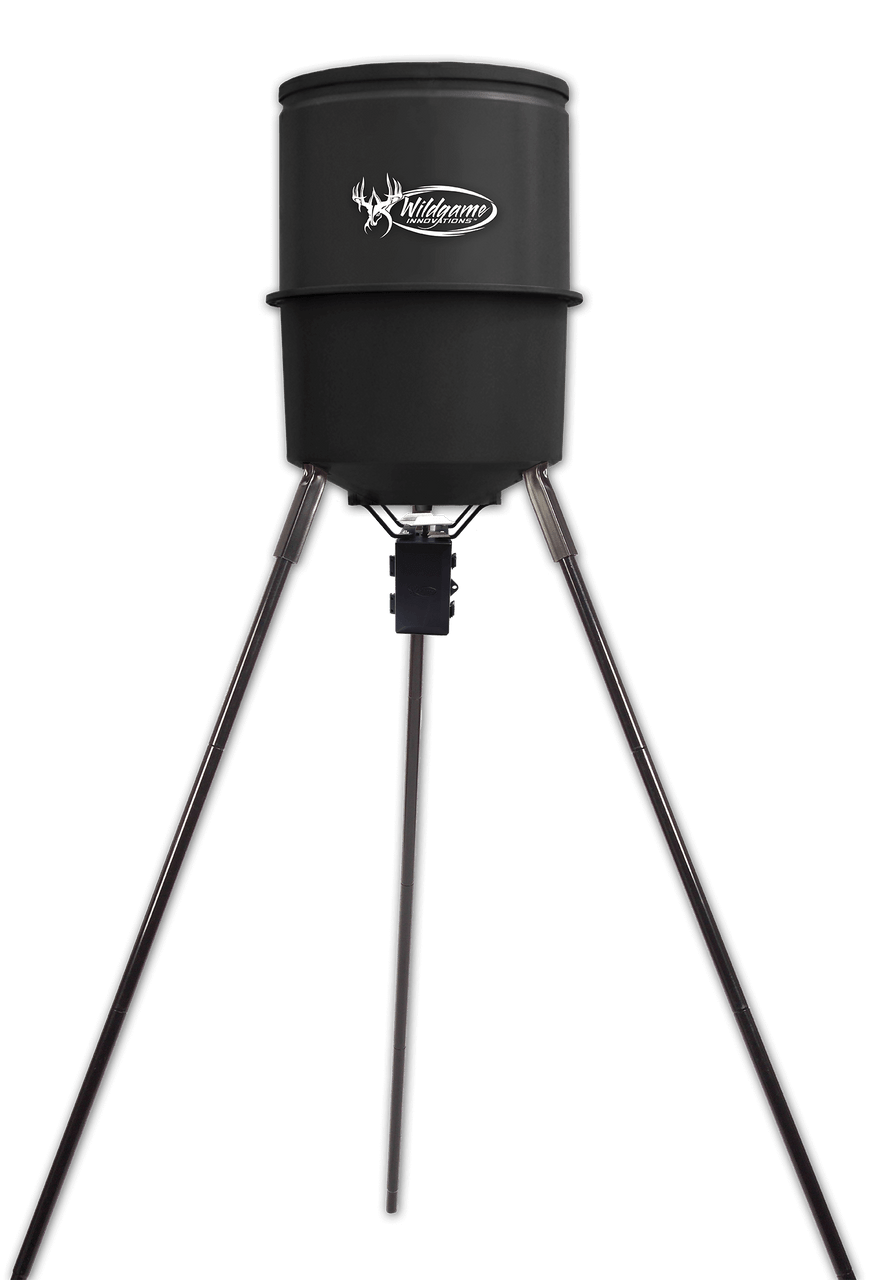
Wildgame Innovations Quick-Set 225 Feeder
Check Price on Amazon →Confirm price and availability on Amazon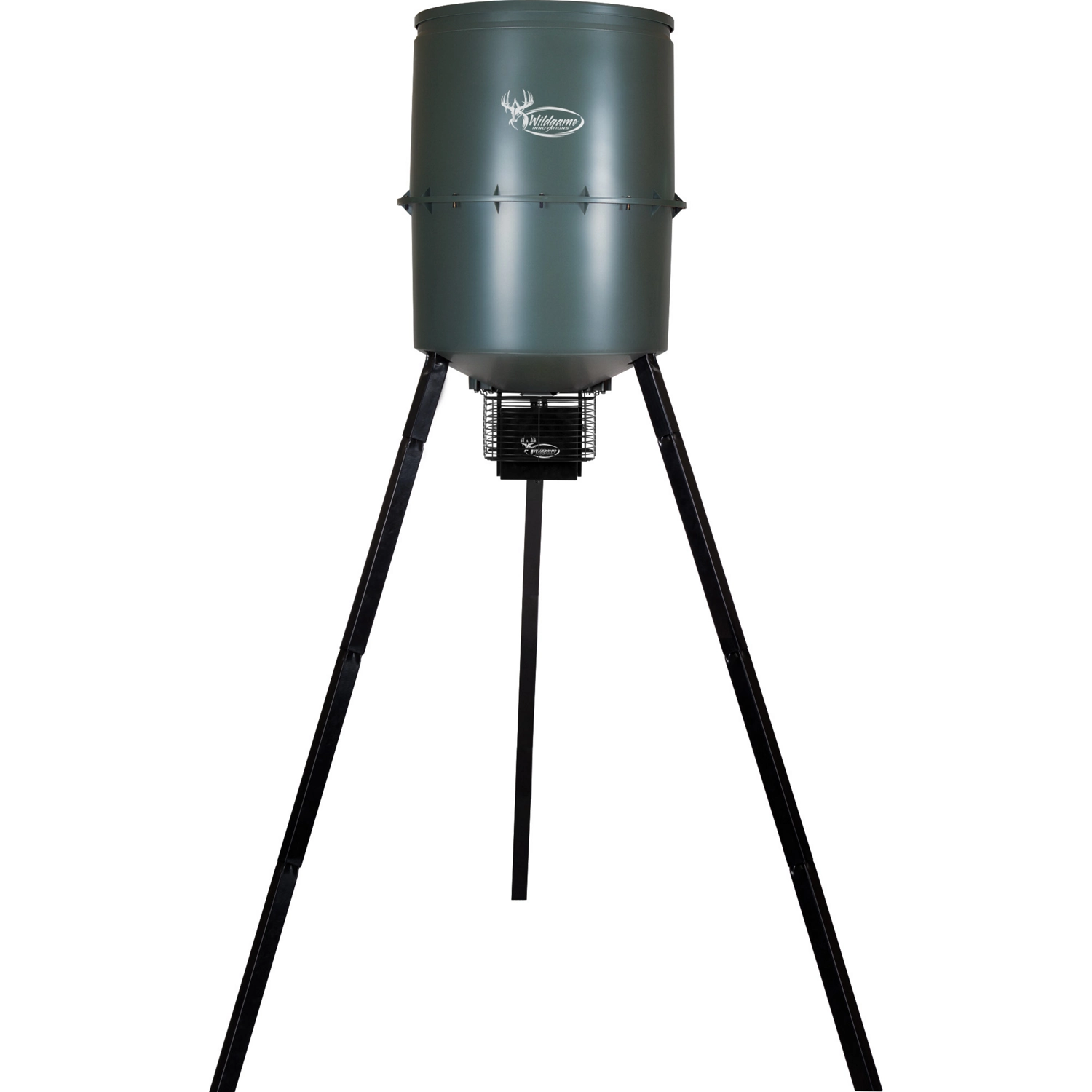
Wildgame Innovations Quick-Set Pro 270 Feeder
Check Price on Amazon →Confirm price and availability on AmazonAs an Amazon Associate, we earn from qualifying purchases.