

How to Clean a Deer Feeder: 7 Easy Steps to Stop Mold
As an Amazon Associate, we earn from qualifying purchases at no extra cost to you.
Steps come from wildlife research groups and manufacturer support pages. Product picks are based on specs, not hands-on testing.
2026 US field guide
How to clean a deer feeder: Empty it and disconnect the power, scrub out old feed with soap and water, disinfect with 1 part bleach to 6 parts water, then let it dry completely before refilling. The National Deer Association recommends this routine because feeders can hold aflatoxin, a mold toxin harmful to wildlife.
Table of Contents

Three fast choices before you clean a deer feeder
RUSTED SPINNER
Moultrie Spinner Plate and Funnel Kit
A replacement for a corroded spin plate or funnel you uncover while cleaning.
Consider if: the plate is pitted or will not turn freely after a scrub.
Check priceRead evidenceDEEP HOPPER
Long-Handle Scrub Brush
Reaches caked corn at the bottom of a tall hopper without climbing inside it.
Consider if: your arm cannot reach the bottom of the barrel.
Check priceRead evidenceTIRED POWER
Power-Sonic PS-640 F1 Battery
A sealed 6V 4.5Ah battery for the moment cleaning shows your old one is corroded.
Consider if: your kit takes a 6V battery with F1 tab terminals.
Check priceRead evidenceWhy you need to clean a deer feeder
Dirty feed is more than an eyesore. Aflatoxin is a toxin made by molds that grow on corn, and it can form in the field, in a warehouse or inside your feeder. The National Deer Association reports readings of up to 139 parts per billion (ppb) in deer feeders during summer and up to 61 ppb during hunting season.
Those numbers matter most for birds that share the site. NDA reports liver damage and weaker immune function in turkeys within two weeks at 100 to 200 ppb. Northern cardinals showed reduced immune function at just 25 ppb. Deer appear tougher, since fawns at 800 ppb looked healthy but still had lower body weights and organ damage.
Corn on the ground is worse. NDA found levels above 1,000 ppb by about the eighth day in July. So when you clean a deer feeder, rake up old spilled feed too, rather than cleaning only the hopper.
Target to remember: Texas Parks and Wildlife has recommended corn at 20 ppb or less where wildlife can reach it, and Texas A&M AgriLife says to use corn under 50 ppb and store it cool and dry. Choose the bag that states a tested level.
Pick your cleaning route in 30 seconds
- Is the feed dry and loose? Yes: do the quick clean, which is steps 1, 2, 5 and 7. No: do all seven steps.
- Do you see mold, clumps or a sour smell? Yes: throw the feed away and disinfect. Never mix it into fresh corn.
- Does the spin plate turn freely by hand? Yes: refill after drying. No: go to the gear section or read our deer feeder not working guide.
How to clean a deer feeder in 7 easy steps
Set aside about an hour plus drying time. Bring gloves, a bucket, dish soap, household bleach, a brush, a tarp and a dust mask. Mold dust is not something you want to breathe, so work outdoors and stay upwind.
1. Disconnect the power first
Unplug the battery and remove it before your hands go near the spinner. A timer can fire at any moment, and a spin plate does not care that you are mid-scrub. Lift the battery out so it stays dry.
2. Empty the hopper onto a tarp
Drain everything out and look at it. Loose, dry corn with no smell can go back in a clean bucket. Anything clumped, dark, wet or sour goes in the trash, not on the ground. Dumping bad corn at the site leaves the same problem for your deer and turkeys.
3. Scrape out the caked feed
Old corn forms a crust around the funnel and the bottom of the barrel. Knock it loose with a plastic scraper or the brush handle. Avoid sharp metal tools on a plastic hopper, because scratches give mold more places to grow.
4. Scrub with soap and water
NDA starts with soap and water to remove debris. Bleach works poorly on dirty surfaces, so this step does the heavy lifting. Scrub the walls, the funnel, the lid and the underside of the spin plate. Rinse until the water runs clear.
5. Clean the spin plate and funnel
Moultrie support says the spin plate must sit fully down on the shaft and turn freely by hand. While you are here, wipe the funnel opening, clear any webs or nests, and check for rust. Keep water out of the control housing and away from the battery terminals.
6. Disinfect with diluted bleach
Mix 1 part bleach to 6 parts water, the ratio NDA gives for feeders. For a gallon of water, that works out to about 2.7 cups of bleach. Wipe or spray it across every inside surface. Never mix bleach with ammonia or other cleaners.
7. Dry it fully, then refill
NDA is clear that the feeder should dry before you refill it. Leave the lid off and tip the hopper so air and sun can reach inside. Moisture left behind restarts the mold problem, so wait until the walls are bone dry. Add fresh, tested feed, reconnect the battery and run one test cycle.

How often should you clean a deer feeder?
We could not find a study that sets a fixed schedule, so treat the table below as a planning guide, not a rule. It follows the research above: heat and humidity raise the risk, and small fills reduce it. NDA also advises keeping feed to what animals can eat within three days where wind and rain reach it.
| Season | Risk | What to do |
|---|---|---|
| Summer | Highest: NDA readings peaked here | Full clean each time it runs empty, and fill smaller amounts |
| Fall | Moderate | Full clean before you start the season, then check each refill |
| Winter | Lower heat, but wet feed still clumps | Quick clean, plus a look for ice and caked corn |
| Spring | Rising with warmth | Full clean before switching feeds |
| Any time | High | Full clean after any leak, mold or rodent nest |
Want to reduce the work? Match your fill to what gets eaten. Our guide on how long deer feeder corn lasts shows how to work that out. Mississippi wildlife officials also suggest moving feeders from time to time so contaminants do not build up under one spot.
Gear that makes it easier to clean a deer feeder
You can do this job with a bucket and a brush. The items below are only worth buying when cleaning shows a real need.
| Product | Type | Fits | Best use | Retailer offer |
|---|---|---|---|---|
| Moultrie Spinner Plate and Funnel Kit | Repair part | Confirm your kit | Rusted spin plate | Check price |
| Long-handle scrub brush | Tool | Any hopper | Deep barrels | Check price |
| Power-Sonic PS-640 F1 | 6V 4.5Ah battery | 6V kits with F1 tabs | Replacing a corroded battery | Check price |
| Wildgame Varmint Cage VC1 | Steel guard | Confirm your unit | Keeping raccoons off the spinner | Check price |
Choose quickly: buy the brush if you cannot reach the bottom, the kit if the plate is damaged, and the battery only if terminals are corroded or the feeder has lost power.
Moultrie Spinner Plate and Funnel Kit
Buy if: rust has pitted the plate, or the funnel is cracked.
Pause if: the plate cleans up and spins freely, or you own another brand and cannot confirm the fit.
Read field evidence
Moultrie support lists a jammed or misplaced spin plate among the causes of a feeder that will not spin. It advises raising the plate as high as it goes without touching the hopper bottom. Try that adjustment before you order a new part.
Long-handle scrub brush
Buy if: you have a tall barrel and want to stay out of it.
Pause if: you own a small hanging feeder that a kitchen brush can reach.
Read field evidence
This pick is a practical suggestion, not a tested product. Any stiff nylon brush will do. Skip wire bristles on a plastic hopper, and keep this brush for feeder work only.
Power-Sonic PS-640 F1
Buy if: your kit takes a 6V battery and the old one is corroded or will not hold a charge.
Pause if: your feeder runs 12V, or a different terminal style. Our feeder battery guide covers the fit questions.
Read field evidence
Moultrie support tells owners with a non-spinning feeder to confirm a 6V 5Ah battery, or 12V 7Ah where the kit takes that, and to try a fresh battery to rule out a fault. Check the rating your kit calls for, because this one is rated 4.5Ah.
How to clean a deer feeder by type
The seven steps cover every design, but each type has one spot that needs extra attention. Check this list before you start, because the job changes depending on where feed sits and where water collects.
Spin feeders
Focus on the funnel and the gap above the plate. Fine dust and broken corn pack in here and can stop feed from dropping. Clean the plate top and bottom, then confirm it turns freely with the power off. If you see rust, compare it against the options in our gear section below.
Gravity feeders
Ports and tubes are the problem area. Pellets absorb moisture, swell and bridge across the opening, so clear each port one at a time. A long, thin brush helps here. Drain holes also need clearing, because a blocked hole holds water right where deer eat.
Hanging feeders
A small hopper is quick to clean, so there is no reason to skip it. Take it down, wash it at a tap and let it dry in the sun. While it is down, check the strap or chain for wear, since a falling feeder can crack.
Trough feeders
Open troughs collect rain, droppings and old feed, so they need washing more often than a closed hopper. Mississippi wildlife guidance favors covered, above-ground feeders for this reason, since they limit contamination from mud, water, urine and feces.
What to do with old feed after you clean a deer feeder
Bag anything moldy and put it in the trash. Do not spread it on the ground for deer or turkeys, because the toxin does not go away when the corn looks dry. Clean corn from the top of the hopper can go back in, as long as it smells fresh and flows loose.
Storage matters just as much as cleaning. Texas A&M AgriLife says to keep corn cool and dry, so keep bags off the floor in a sealed bin. Buy only what you will use soon, since a discount on a large stack of bags means little if the bottom bags get damp. Our shop lists feed storage bins and repair parts if you need them.
Mistakes to avoid when you clean a deer feeder
- Skipping the soap. Bleach on top of caked feed does little. Wash first.
- Refilling while damp. Trapped moisture is what you came to remove.
- Topping off old corn. Fresh feed poured on stale feed leaves the oldest corn at the bottom, right at the outlet.
- Soaking the timer. Clean around the control unit with a damp cloth, and keep the battery out until the end.
- Ignoring the ground. Rake up spilled corn under the feeder, since it builds toxin faster than feed in the hopper.
- Forgetting the lid. A lid that does not seal lets rain in. Check the seal on every visit. Read about keeping raccoons and hogs off a feeder if animals are lifting it.
Three real-world cleaning cases
The summer protein feeder
A gravity feeder of pellets sits through a humid July and the ports start clumping. Empty it, do the full seven steps, and refill with a smaller amount. Our gravity deer feeder guide covers port designs if clogging keeps returning.
The feeder bought used
You do not know what was in it. Clean it fully before the first fill, and inspect the wiring and spinner. Our checklist for buying a used deer feeder tells you what else to look for.
The feeder that quit
Corn is stuck and the plate will not move. Clean first, because dirt causes many stoppages, then test power and the timer. If it still fails, move on to the timer guide or the replacement motor guide.
Frequently asked questions
How do you clean a deer feeder?
Disconnect the power and empty the hopper. Scrub with soap and water, disinfect with 1 part bleach to 6 parts water, then dry it fully before refilling. The National Deer Association recommends this routine.
What can I use to clean a deer feeder?
Dish soap, water, a stiff nylon brush and diluted household bleach cover the whole job. Use 1 part bleach to 6 parts water, and do not mix bleach with other cleaners.
How often should you clean a deer feeder?
No study sets a fixed schedule. A sensible plan is a full clean each time it runs empty in summer, before fall and spring feeding, and after any leak or mold. Heat and humidity raise the risk.
Is moldy corn bad for deer?
Yes, and it is a bigger threat to turkeys and songbirds. NDA reports harm to turkeys at 100 to 200 ppb of aflatoxin, while deer fawns showed organ damage at 800 ppb. Throw moldy corn away.
Can I pressure wash a deer feeder?
You can use gentle water on the hopper after removing the battery and control unit where possible. Keep the spray away from the timer, motor and wiring, and let everything dry fully. Check your manual first.
How do I stop mold in my deer feeder?
Keep the lid sealed, fill only what gets eaten quickly, buy tested corn and clean regularly. NDA advises limiting exposed feed to what animals can eat within three days.
The choice in one sentence
Clean a deer feeder with soap first, bleach second and full drying last, and only buy parts when the cleanup shows you need them.
Check the Moultrie Spinner Kit on AmazonHow we built this guide
We used published guidance from the National Deer Association, Texas Parks and Wildlife, Texas A&M AgriLife and Moultrie support. We did not test these products ourselves. The schedule table and brush pick are our own suggestions, and we say so where they appear. See our best deer feeders guide for feeder picks.
Sources
- National Deer Association: Aflatoxin in Corn Harms Deer and Turkeys
- Texas Parks and Wildlife: Supplemental Feeding
- Texas A&M AgriLife: Supplemental Feeding of White-Tailed Deer
- Mississippi Sportsman: MDWFP guidance on feeding deer
- Moultrie support: Won’t Spin troubleshooting
Products mentioned in this guide
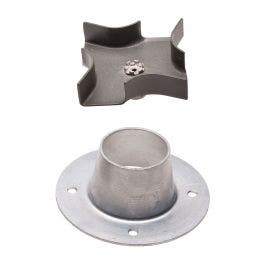
Moultrie Spinner Plate & Funnel Kit
Check Price on Amazon →Confirm price and availability on Amazon
Power-Sonic PS-640 F1 6V Feeder Battery
Check Price on Amazon →Confirm price and availability on Amazon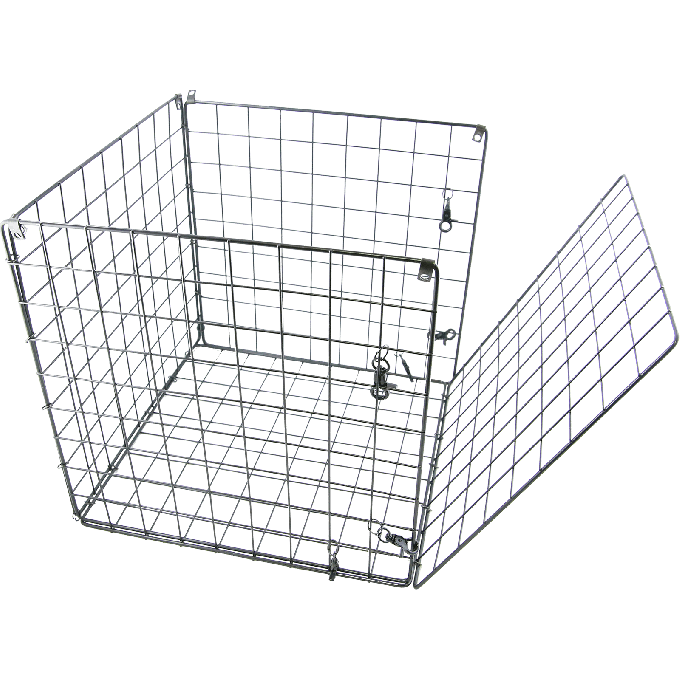
Wildgame Innovations Varmint Cage
Check Price on Amazon →Confirm price and availability on AmazonAs an Amazon Associate, we earn from qualifying purchases.


