
Deer Feeders vs Food Plots (2026): Cost, Results & Which to Choose
Disclosure: This post contains affiliate links. As an Amazon Associate, we earn from qualifying purchases at no extra cost to you.
Quick answer: A food plot gives deer more nutrition per dollar and is legal in every state, but it takes a season to establish and needs equipment and soil work. A deer feeder works in days, fits small or wooded properties, and lets you control timing, but feed is a recurring cost and feeders or baiting are restricted in some states. Most managers who can do both run a food plot for nutrition and a feeder for consistency and camera surveys.
Deer Feeders vs Food Plots at a Glance
| Factor | Deer Feeder | Food Plot |
|---|---|---|
| Time to first results | Days to a couple of weeks | Weeks to a full season |
| Upfront cost | Feeder, timer, battery | Seed, lime, fertilizer, equipment or rental |
| Ongoing cost | Feed every refill, all season | Replanting (annuals) or mowing and fertilizing (perennials) |
| Nutrition | Depends on feed; corn is energy, not protein | Broad mix of protein, minerals and forage |
| Space needed | A small clearing | Usually a quarter acre or more with sunlight |
| Legality | Restricted or banned in some states and seasons | Legal in every state |
| Disease risk | Higher; deer concentrate at one point | Lower; feeding is spread out |
| Non-target animals | Raccoons, hogs, bears, turkeys | Mostly browsing wildlife |
| Best for | Small tracts, leases, camera surveys, timed hunts | Landowners managing herd health long term |
How Food Plots Work
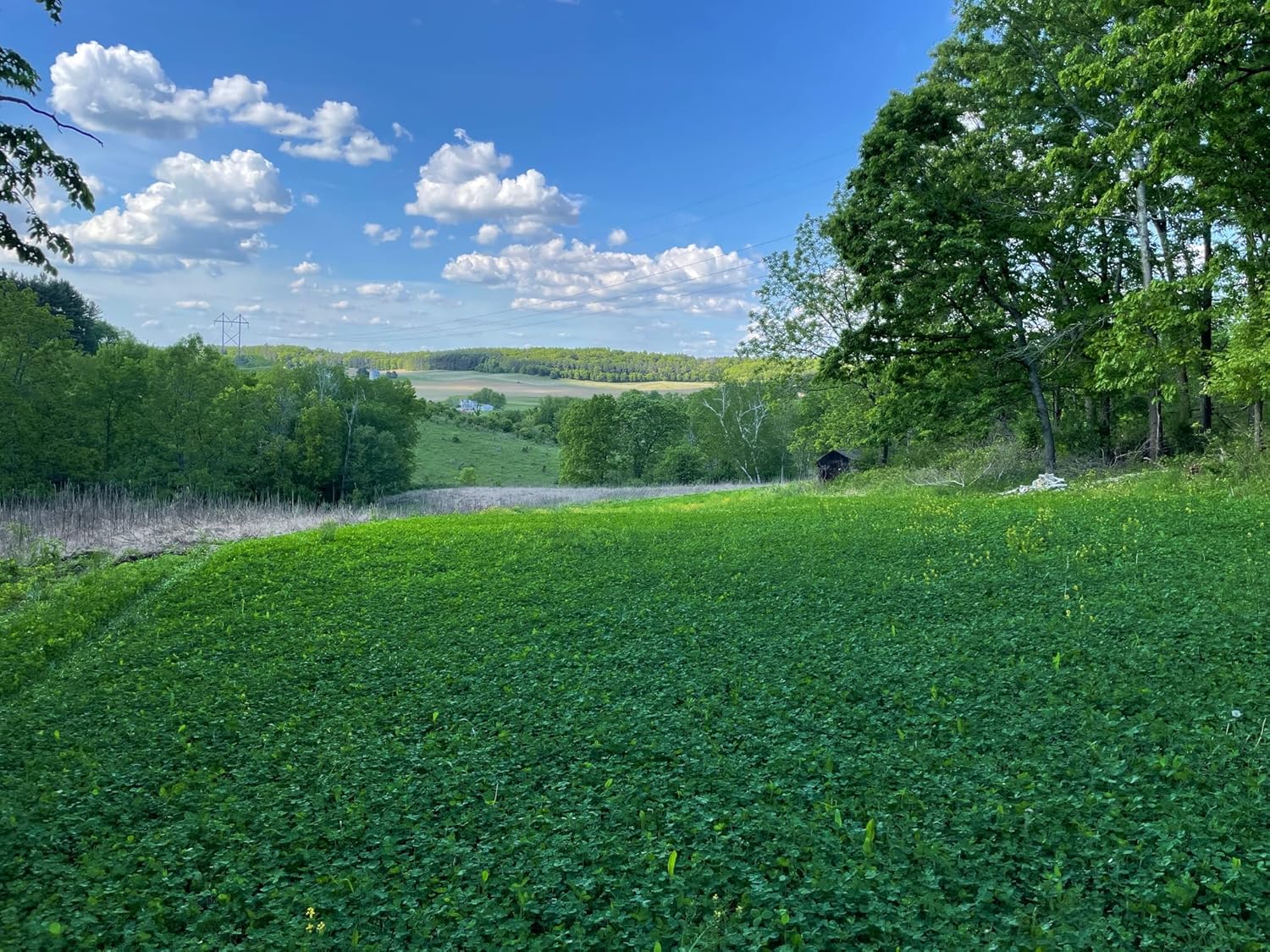
A food plot is a planted area of forage such as clover, chicory, brassicas, soybeans, peas or cereal grains like oats and wheat. Deer graze it the way they would any natural food source, which is why state agencies and wildlife biologists usually favor plots over piles of corn. The Arkansas Game and Fish Commission, for example, has argued that a varied planting delivers better nutrition and value than a corn feeder, and the National Deer Association points out that no state outlaws planting wildlife food plots.
Food plot pros
- Higher-quality nutrition: legumes like clover carry far more protein than shelled corn.
- Legal everywhere, including states that ban baiting and feeders.
- Food is available around the clock without refills or batteries.
- Deer graze above ground level and spread out, which lowers disease transmission compared with a single feeding point.
Food plot cons
- Needs sunlight, workable soil, a soil test, lime and fertilizer.
- Equipment such as an ATV spreader, disc or sprayer, or the cost of renting it.
- Drought, a late frost or heavy browse pressure can wipe out a planting.
- Results take weeks to a season, not days.
If you are planting from an ATV, see our guide to the best ATV seed spreader for food plots.
How Deer Feeders Work
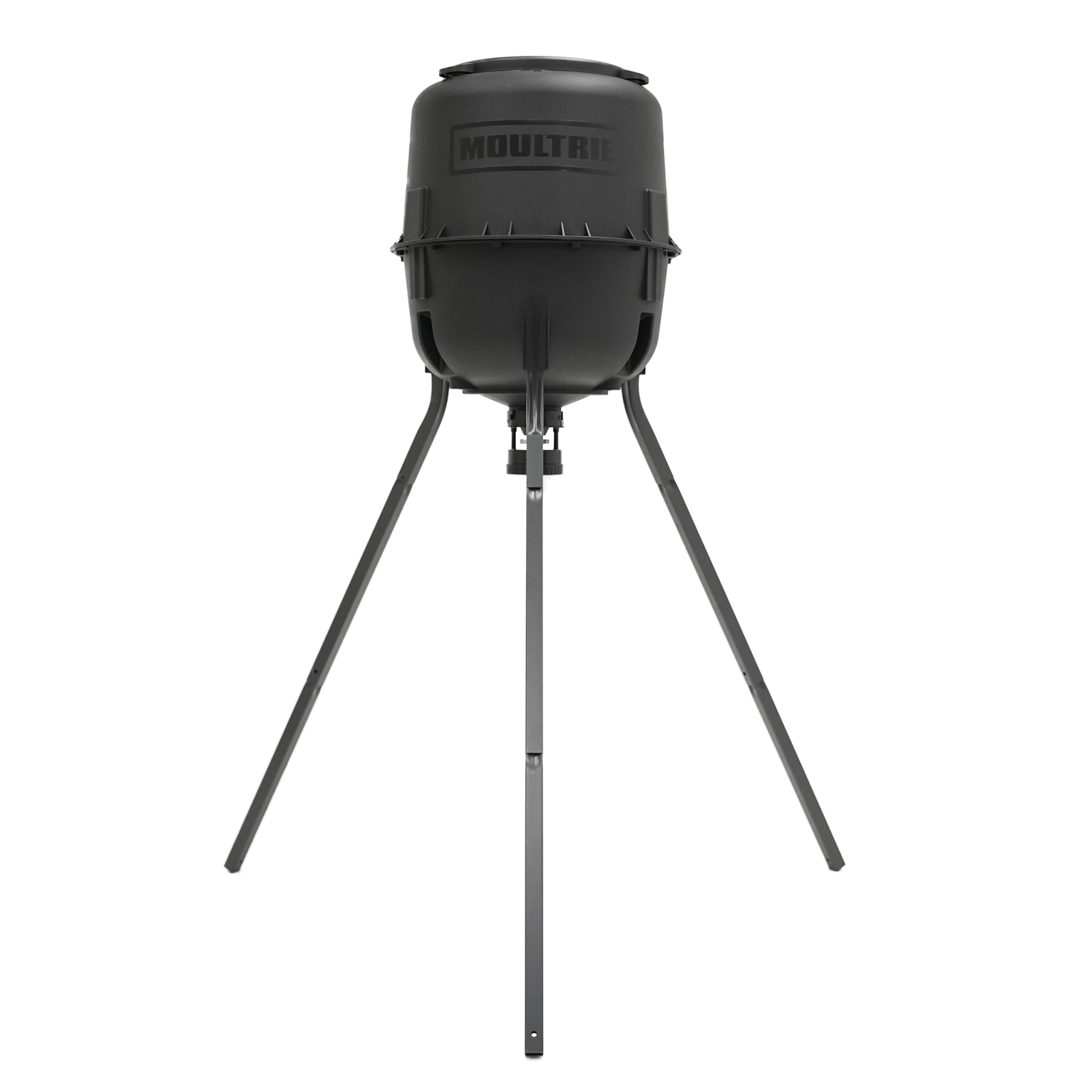
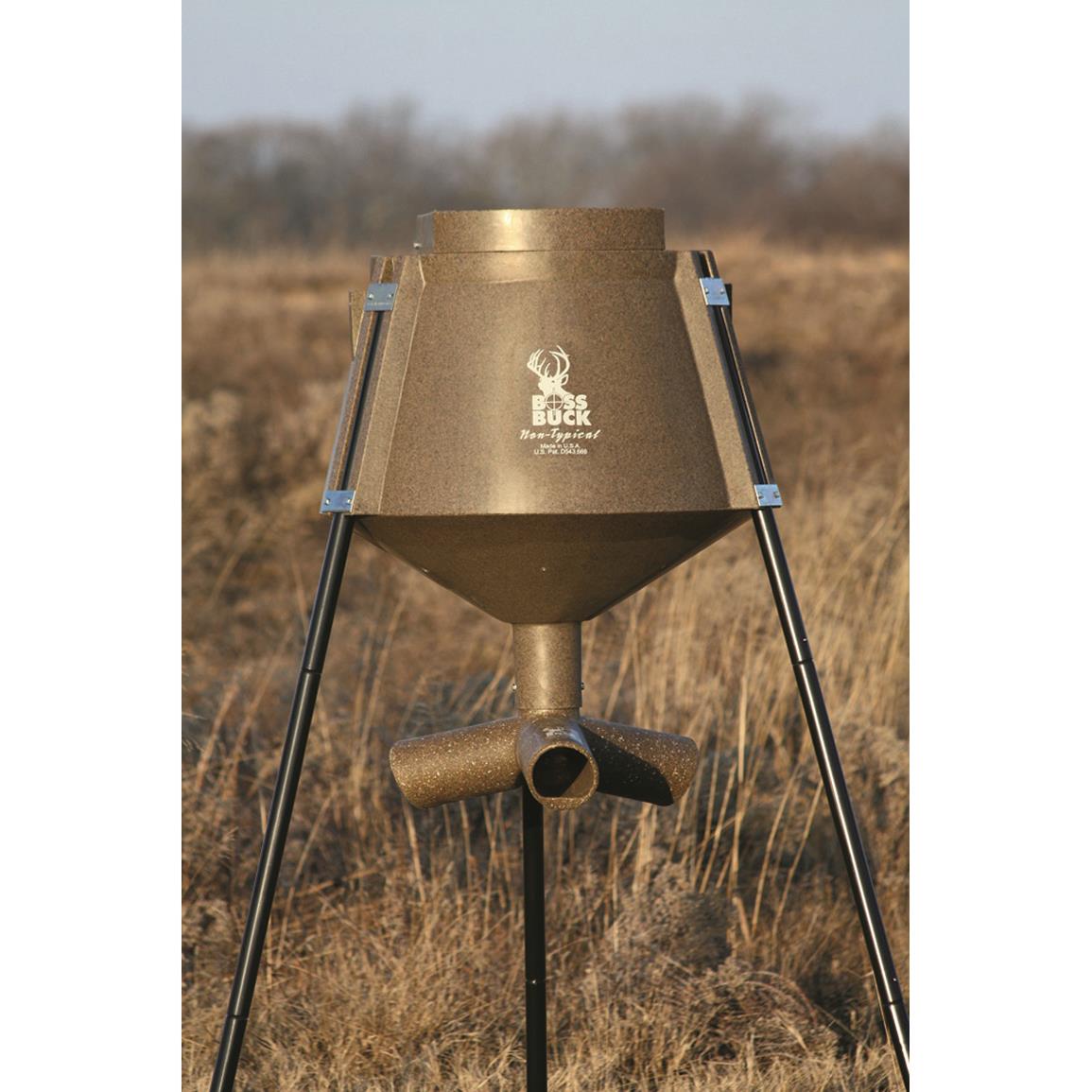
A feeder holds corn, protein pellets or a blend and dispenses it either on a timer (spin or broadcast feeders) or on demand (gravity and trough feeders). Timed feeders let you pattern deer to specific hours, which is why many hunters pair one with a trail camera. Our spin vs gravity feeder guide explains which style fits corn versus protein.
Deer feeder pros
- Fast: deer usually find a new feeder within days.
- Works on small, wooded or rocky tracts where nothing can be planted.
- Timer control helps pattern movement and run camera surveys.
- No soil work, no planting calendar, no equipment beyond the feeder.
Deer feeder cons
- Feed is a cost every refill for as long as you run it.
- Feeders and baiting are restricted in some states, counties and seasons, often tied to chronic wasting disease rules.
- Concentrates deer at one point, which raises disease risk; GrowingDeer recommends moving and disinfecting feeders regularly.
- Draws raccoons, hogs, bears and turkeys unless you add guards.
Shopping for one? Start with our best deer feeders roundup, and if varmints are a problem see the varmint guard guide.
Which Should You Choose?
Feeder or Food Plot? Answer 4 Questions
| Your situation | Best choice |
|---|---|
| Small lease or wooded tract, no open ground | Feeder |
| Your state or county bans feeding or baiting | Food plot |
| You own the land and plan to manage it for years | Food plot, plus a feeder if legal |
| You need deer on camera before season opens | Feeder |
| Main goal is antler growth and doe health | Food plot or protein feeder |
| Heavy bear or hog pressure | Food plot, or a guarded feeder |
Using both together
Where feeding is legal, the two work best as a system: plant perennials like clover and chicory for spring and summer nutrition, add a cool-season annual such as oats or brassicas for fall and winter, and place a protein feeder near cover to fill the late-summer and late-winter stress periods. Keep the feeder at least 50 to 100 yards off the plot so deer still use the plot, and read our guide on where to place a deer feeder before you set it.
Check Your State Rules First
Food plots are legal everywhere, but feeding and baiting rules vary by state, county and season and change often because of chronic wasting disease. Check your state wildlife agency before you buy a feeder. We cover two common states in detail: Texas deer feeder rules and Georgia deer feeder rules.
Frequently Asked Questions
Are food plots better than deer feeders?
For herd nutrition and cost per pound of food, yes. For speed, small properties and timed hunting, a feeder is often more practical. The right answer depends on your land, budget and state law.
Is a food plot considered baiting?
Generally no. Planted crops grown through normal agricultural practice are treated differently from bait in most states, but rules on manipulated or harvested crops vary, so confirm with your state agency.
Can I put a deer feeder next to a food plot?
You can, but keep some distance between them so deer keep grazing the plot instead of waiting at the feeder, and so the feeder does not concentrate deer on the plot edge.
What is the cheapest way to attract deer?
Over several seasons, a well-managed perennial plot is usually cheaper per pound of food than buying feed. For short-term, low-budget options, see our cheap deer feed guide.
Sources
- National Deer Association: 6 Ways Food Plots Are Not Baiting
- Game & Fish: Feeders vs. Food Plots (Arkansas Game and Fish Commission)
- GrowingDeer: Are food plots better than supplemental feed?
Your turn: Do you run a feeder, a food plot, or both? Tell us your state, property size and what worked in the comments below. Real setups from readers help other hunters decide.
Products mentioned in this guide
See this product on Amazon
Check Price on Amazon →Confirm price and availability on AmazonAs an Amazon Associate, we earn from qualifying purchases.


